
Why this comparison matters right now
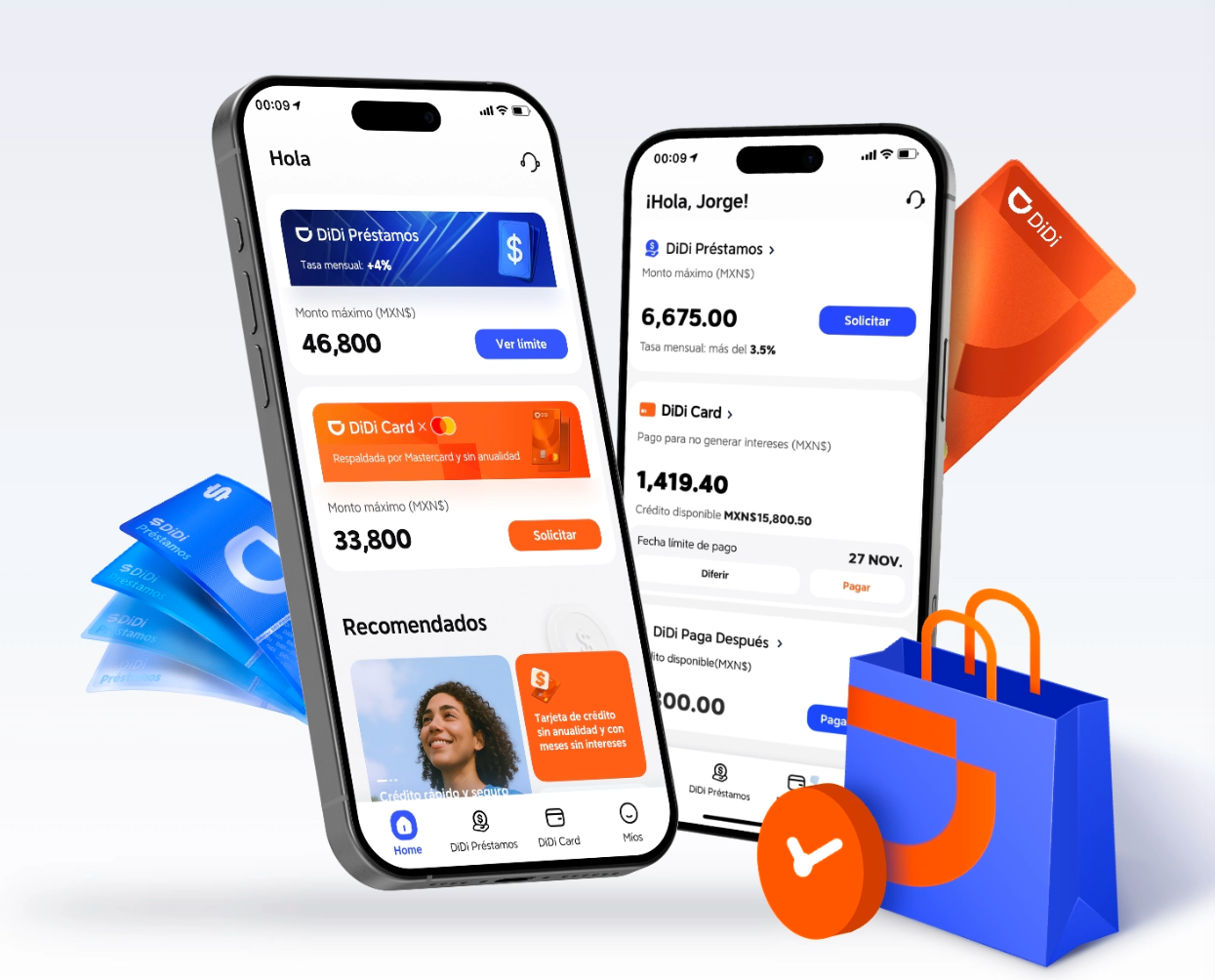
Young people in Mexico juggle daily expenses, ride-hailing costs, and the temptation of instant credit. Comparing the Didi Card approach to generic digital credit products clarifies what actually fits a student budget or a first-job salary. For practical steps and account setup, explore didi finanzas to see how a branded wallet integrates payments and small credit lines in one place.
Side-by-side: what Didi Card does that standard digital credit often does not
Start with the basics: a Didi Card typically links directly to in-app balances and ease of payment for transport, while many digital credit cards are a separate virtual product that can be used anywhere online. The key differences are transaction scope, rewards tied to rides, and billing cadence. For someone commuting across Mexico City, a Didi-linked card reduces friction in payments and often avoids manual top-ups; a standalone virtual card offers broader merchant acceptance and sometimes lower interchange fees.
Costs, control, and transparency
Compare fees and limits before committing. Didi Card options often bundle promotions—ride discounts, cashback on partner services—so the visible cost per ride can be lower. Digital credit products emphasize an available credit line and flexible repayment, but they can carry higher interest rates or variable transaction fees. Pay attention to billing cycles, interest rate disclosures, and any late-payment penalties. Use monthly transaction tracking and simple budgeting—basic ledger habits—to spot recurring fees that chip away at savings.
Security and tech: tokenization and virtual cards
Security is not the same across providers. DiDi-branded solutions tend to focus on in-app tokenization and frictionless authorization, while bank-issued virtual cards may use EMV-like protections or multi-factor authentication. For quick, recurring payments the Didi system reduces exposure by limiting where your card data is used. If you need a broader merchant footprint, choose a digital credit option with clear tokenization and reversible dispute mechanisms—these matter when fraud occurs.
Common mistakes young users make
One frequent error is treating promotional credit as recurring income. Another is not reconciling small charges—subscription creep happens fast. Many users also forget to check credit utilization on a digital line, which influences eligibility for future upgrades. Avoid these traps by setting simple alerts and a monthly reconciliation habit. Small action: export a statement and mark essentials versus discretionary charges.
Alternatives and when to pick each
Consider three paths: stick with a Didi Card for commute-heavy users; pick a bank-issued digital credit card for broader online shopping; combine both if you want targeted rewards plus merchant flexibility. Ride-hailing commuters in Mexico City may prefer the Didi route for smoother daily ops. Freelancers or remote workers who buy tools from multiple vendors might benefit from a wider-acceptance virtual card. —A split approach often wins: use the Didi solution for transport and a separate virtual credit card for subscriptions and large purchases.
Real-world anchor and practical checklist
In Mexico City, where commuting patterns shape monthly budgets, riders who optimize payments see clearer control of discretionary spend. Use this checklist before choosing: 1) confirm acceptance at your frequent merchants; 2) compare effective cost per transaction including fees; 3) verify security features like tokenization and dispute handling. Also review in-app settings on the didi finanzas app to toggle notifications and limits.
Advisory: three golden rules for selecting the right tool
1) Measure total cost, not headline offers—add interest, fees, and missing discounts to see real monthly impact. 2) Match product scope to life patterns: choose Didi-linked payments if transport is a dominant expense; choose a broad virtual credit if you need merchant reach and purchase protection. 3) Prioritise control features: spending limits, instant freezes, and clear dispute channels—these reduce risk more than small reward percentages.
Closing thought
Deciding between a Didi Card and other digital credit tools comes down to where you spend, how you control your cash flow, and which security features you value most. For commuters and frequent app users, a Didi-integrated solution can streamline payments and cut friction — and for broader purchases, supplement it with a virtual credit option. DiDi Finanzas ties those choices together by showing a clear balance between daily convenience and credit control. —Simple, practical, and fit for the everyday budgeter.