
A Quick Reality Check: Your End Table Launch Week
It’s 7 a.m., the showroom opens in three days, and the sample you unbox rocks on a flat floor. End table manufacturers see this every season. In factory audits, the top causes of returns are wobble, finish mismatch, and carton crush. Here’s the twist: all the quotes looked solid, and the spec sheets matched line by line—so why does it go wrong after delivery? The gap often hides in how teams compare factories, not just what they compare. Are you lining up the right tests, or just the right prices?
I’m going to keep this simple and practical (no fluff, no drama). We’ll unpack what to compare, how to read behind the specs, and how the best teams avoid last‑minute surprises. Then we’ll go one step deeper into the real pain points users feel but rarely say out loud. Stick around; the next part breaks down where the usual process fails—and how to fix it fast.
Under the Surface: The Hidden Gaps Buyers Don’t See
Where do specs go off‑track?
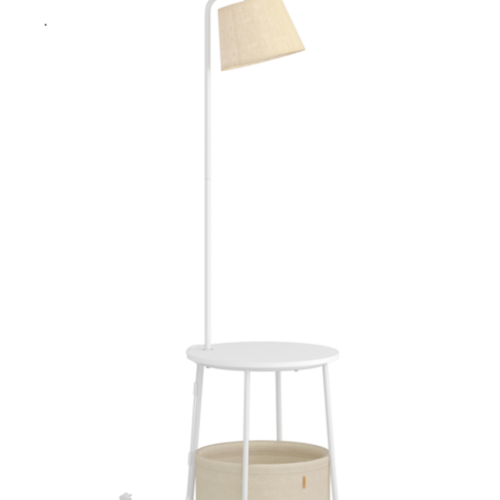
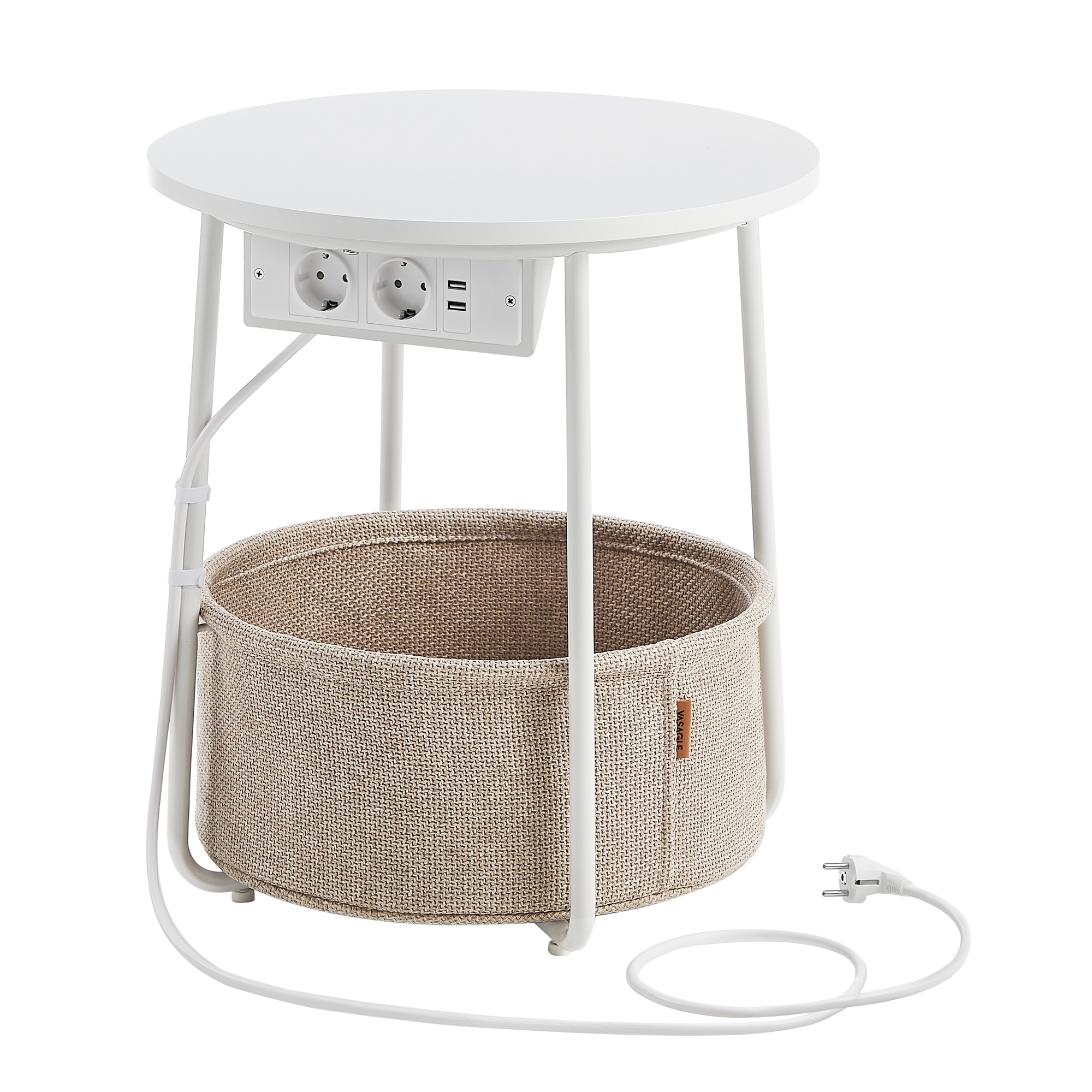
Let’s get technical for a minute. A great end table manufacturer doesn’t just meet size and color; they manage tolerance stack‑up across parts. When CNC routing is off by 0.3 mm and KD hardware seats at a slight angle, you get a wobble that QC sampling may miss. Edge banding can pass a tape test yet fail hot‑cup resistance. MDF that isn’t equilibrated to local humidity will swell at the seam—funny how that works, right? These are the micro‑issues that turn into macro returns. Look, it’s simpler than you think: the fix starts with how you specify process control, not just end results.
Users don’t phrase it as “tolerance” or “moisture content.” They say, “The table felt cheap,” or “The stain didn’t match the sofa.” That maps to load rating, finish consistency, and jig fixtures that hold parts square under pressure. If your bill of materials swaps veneer layup mid‑run, you’ll see shade drift under retail lights. If the lamination press cycles vary, expect curl. So the deeper layer is not mystery—it’s measurement. Ask about in‑line checks, like flatness checks at the assembly cell and pull tests on cam locks. The absence of those steps is the real pain point, even when the spec sheet looks perfect.
Looking Ahead: Tech and Tests That Change the Game
What’s Next
Now let’s shift gears to what’s coming—and what’s already here in better shops. A forward‑looking line doesn’t rely on a final inspection to catch problems; it uses new technology principles upstream. Think machine vision that flags edge banding gaps in real time, IoT moisture meters that log core MDF levels per batch, and digital twins that simulate load rating on a welded frame before a sample is cut. A leading china end table manufacturer might run Cp/Cpk on table height and top flatness, and feed alerts to a dashboard when drift exceeds 1.33. Pair that with waterborne UV‑cured finishes and controlled cure temps, and shade drift drops without guesswork—and yes, that small step saves weeks on rework.
Comparatively, two factories can look “equal” on price and lead time, yet diverge in results. One relies on end‑line sorting; the other prevents defects at the jig. One chases a color swatch; the other locks pigment and bake profiles in a recipe card. Over time, the second approach wins on return rate, OTIF, and brand trust. So here’s an advisory wrap you can use today. Use these three checks when you choose a partner: 1) Process capability: ask for Cp/Cpk on height, flatness, and joint squareness, plus sample control charts. 2) Verified testing: request load rating methods (static and racking), carton drop data, and finish rub counts on the actual substrate. 3) Traceability: demand QR‑coded components, moisture and cure logs, and documented material classes (MDF grade, E1/E0 adhesive). These aren’t “nice to have”—they’re your insurance policy. For deeper specs and benchmarks, see SONGMICS HOME B2B.