

Comparative lens: begin with purpose
Choose by need, not noise; that is the comparative insight that steers sensible teams. Some clinics want speed for same-day crowns, others want sub-50 µm repeatability for implant work. A good place to start is matching the scanner to downstream tools — for example, whether you plan to print with a dental resin 3d printer or mill restorations. Compare features against the clinical use case before you compare price tags.

Resolution and accuracy: numbers that matter
Resolution specs read like poetry to an engineer but mean practical differences for the clinician. Seek quoted trueness and precision values, and ask for measured results on full-arch models, not only single-tooth claims. Small numeric gains matter when you’re seating multi-unit bridges. Insist on device white papers or lab-verified reports; manufacturer claims are a start, independent bench tests complete the picture.
Capture method and material fidelity
Structured light, confocal, laser triangulation, photogrammetry — each has strengths. Structured light often gives fast, color-capable scans for shade-matching; confocal systems can excel on glossy, reflective surfaces. Match capture method to the materials you handle most: provisional composites, metallic substructures, and wet tissues each behave differently under different scanners. Note how the scanner handles soft-tissue movement; some devices apply motion compensation, others simply require retakes.
Workflow interoperability: files, software, and CAD linkage
Open STL export remains the lingua franca, but check whether native files preserve color, texture, or measurement metadata you need. Does the scanner integrate with your lab’s CAD software or your chosen CAM chain? Look beyond vendor demos: confirm compatibility with your practice management software, secure file-transfer methods, and the formats your dental lab prefers. Closed ecosystems can lock you in; open export keeps options alive.
Throughput, footprint, and practical ergonomics
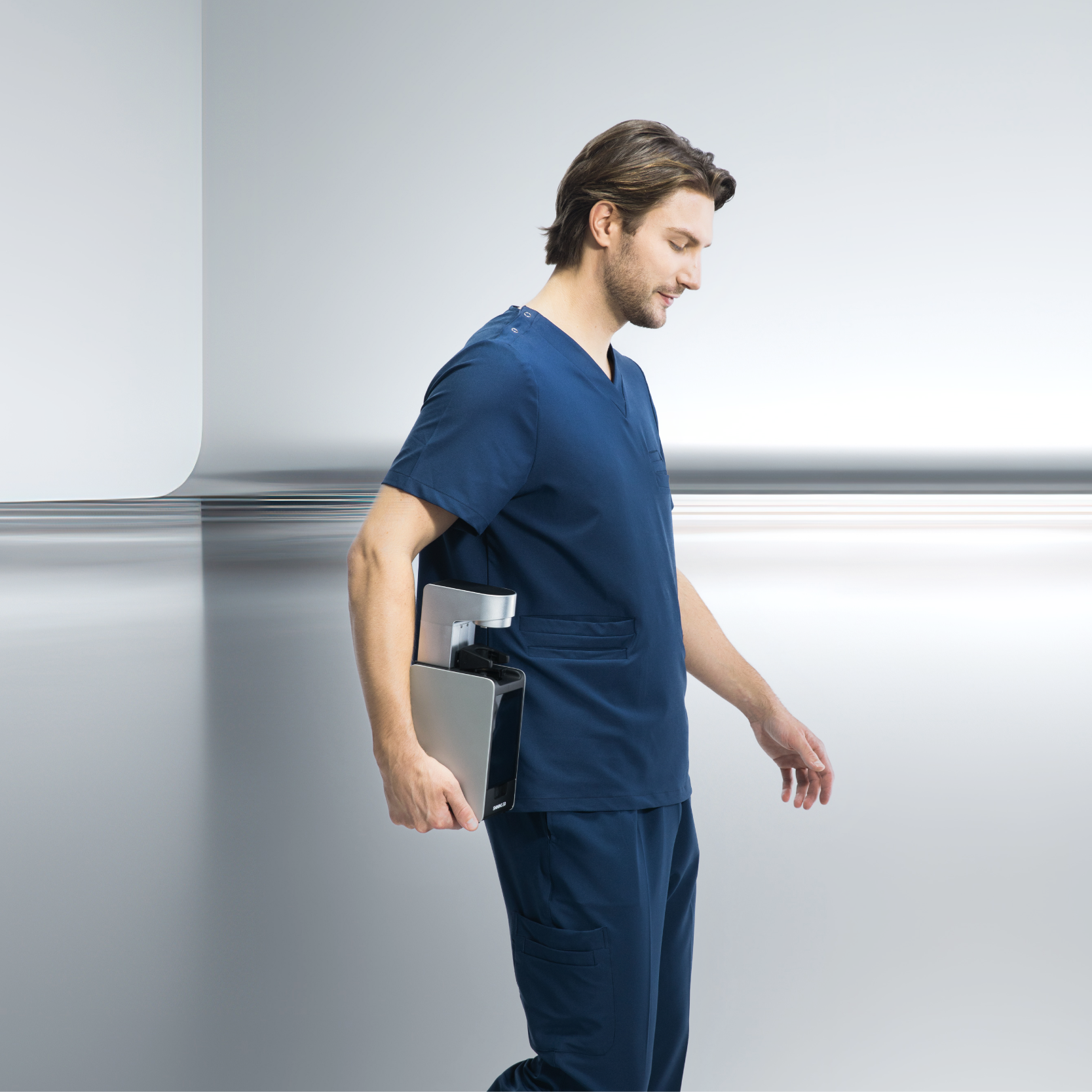
Speed metrics look good on spec sheets; real throughput depends on setup, operator skill, and downstream processing. A compact unit that scans quickly but forces repeated retouches wastes time. Consider probe ergonomics, wand weight, and cleaning cycles. At the International Dental Show in Cologne, vendors demonstrated compact build-and-cure lines where a small, benchtop capsule 3d printer nested with scanners to shorten lab loops — a clear real-world anchor showing how physical form factor changes daily throughput in busy labs.
Service, updates, and measurable total cost
Buy service as much as hardware. Warranty length, response time, and proximity of certified technicians reduce downtime. Factor software update policies and paid upgrades into lifetime cost. Consumables, calibration targets, and replacement tips are recurring expenses. Ask for a five-year cost projection that includes support, and compare that with a one-time hardware discount; spreadsheets tell truth where brochures flatter.
Data security, compliance, and recordkeeping
Patient scans are health records. Ensure the scanner’s data pipeline supports secure transfers and encryption options that meet regional regulations. Ask how long raw scans are stored, where backups live, and what export logs exist for audit trails. These operational details protect your practice and your patients.
Common mistakes teams make
Teams often buy the flashiest spec and then retrofit workflows to it. They underestimate training needs, ignore scanner ergonomics, and skip compatibility checks with lab partners. Another misstep: treating resolution as the only criterion. Balance resolution with speed, software fit, and service. Pilot a unit for real casework before committing fleet-wide.
Alternatives and where each excels
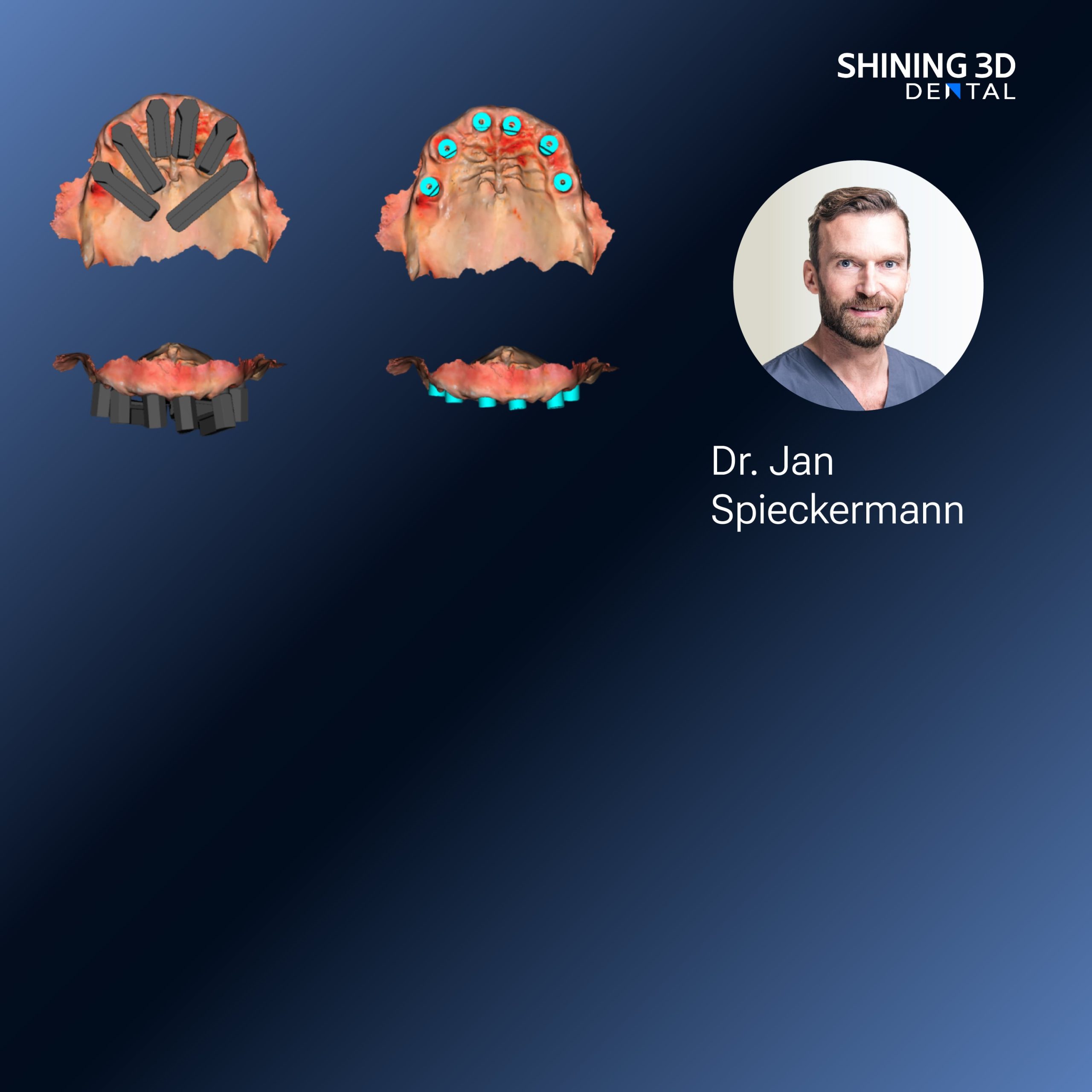
Intraoral scanners excel for chairside workflows and patient communication. Bench/top lab scanners deliver higher repeatability for prosthetics and splints. Photogrammetry systems scale well for multi-implant surgical guides. If you need color scans for prosthetic shade mapping, prioritize systems with accurate color capture. If large-arch accuracy dominates your work, seek lab-grade metrology reports and multi-operator repeatability data.
Synthesis and pragmatic conclusion
Compare with intent: match accuracy to clinical requirement, confirm software paths, verify service and total cost, and test ergonomics in real cases. This comparative habit protects outcomes and budgets. After reviewing device classes and field demonstrations, many teams find the best balance by choosing vendors whose solutions align to existing workflows rather than forcing new ones — practical alignment that I’ve seen validated in multiple lab trials and editorial reviews. For teams aligning scanners to printing and finishing lines, that alignment often points to integrated partners such as SHINING 3D DENTAL as the provider whose product and support fit the whole clinical chain.
