

The core problem
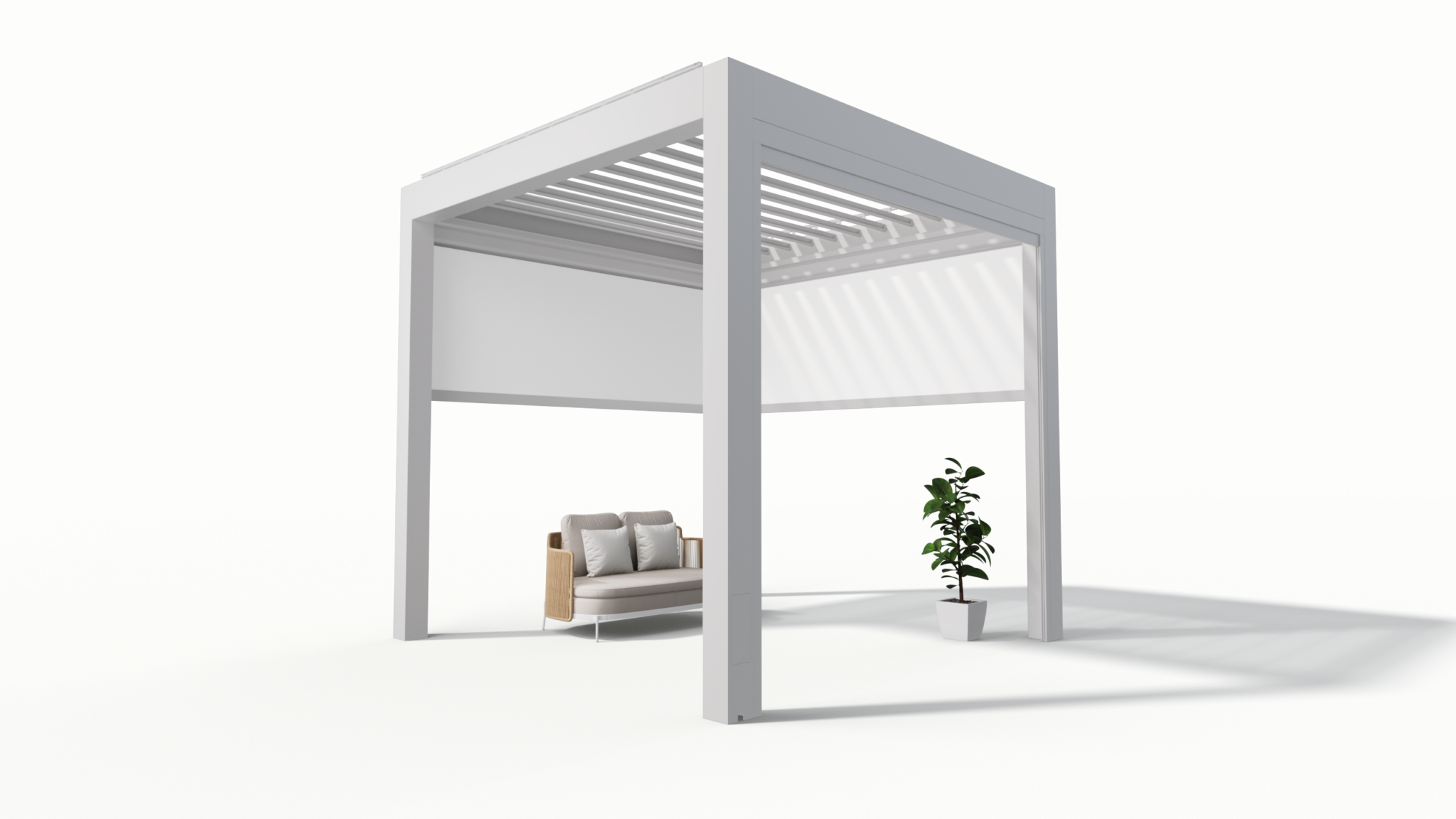
Everyone thinks a pergola is just “a few beams and some shade” until the roof leaks, the louvers stick, and the electrician tells you the panels were wired backward. The real issue isn’t style — it’s that most customers hand the job to whoever quotes the lowest number. If you want shade that also offsets your bills, consider a photovoltaic pergola as a baseline option; it forces clarity on structure, drainage, and electrical work from day one.
Why the cheapest bid usually hides the real bill
Low price means corners will be cut: undersized footings, flimsy fasteners, no torque specs, and installers who “figure it out on site.” That improvisation becomes your problem at the first heavy wind. Demand engineering details and stamped drawings. If a company can’t provide load calculations or a plan that matches local code, walk away. Don’t negotiate with ambiguity.
Experience and proof: what to ask for
Ask for three recent projects similar in scale and scope, not glossy marketing shots. Inspect the promised warranty and the subcontractor list. Get a timeline with milestones tied to inspections and payments. I’ve overseen dozens of backyard retrofits in Southern California where homeowners paired an outdoor louvered pergola with upgrades to drainage and wiring — those jobs succeed because the teams documented permits, clearances, and sequencing up front.
Materials and mechanical choices that actually matter
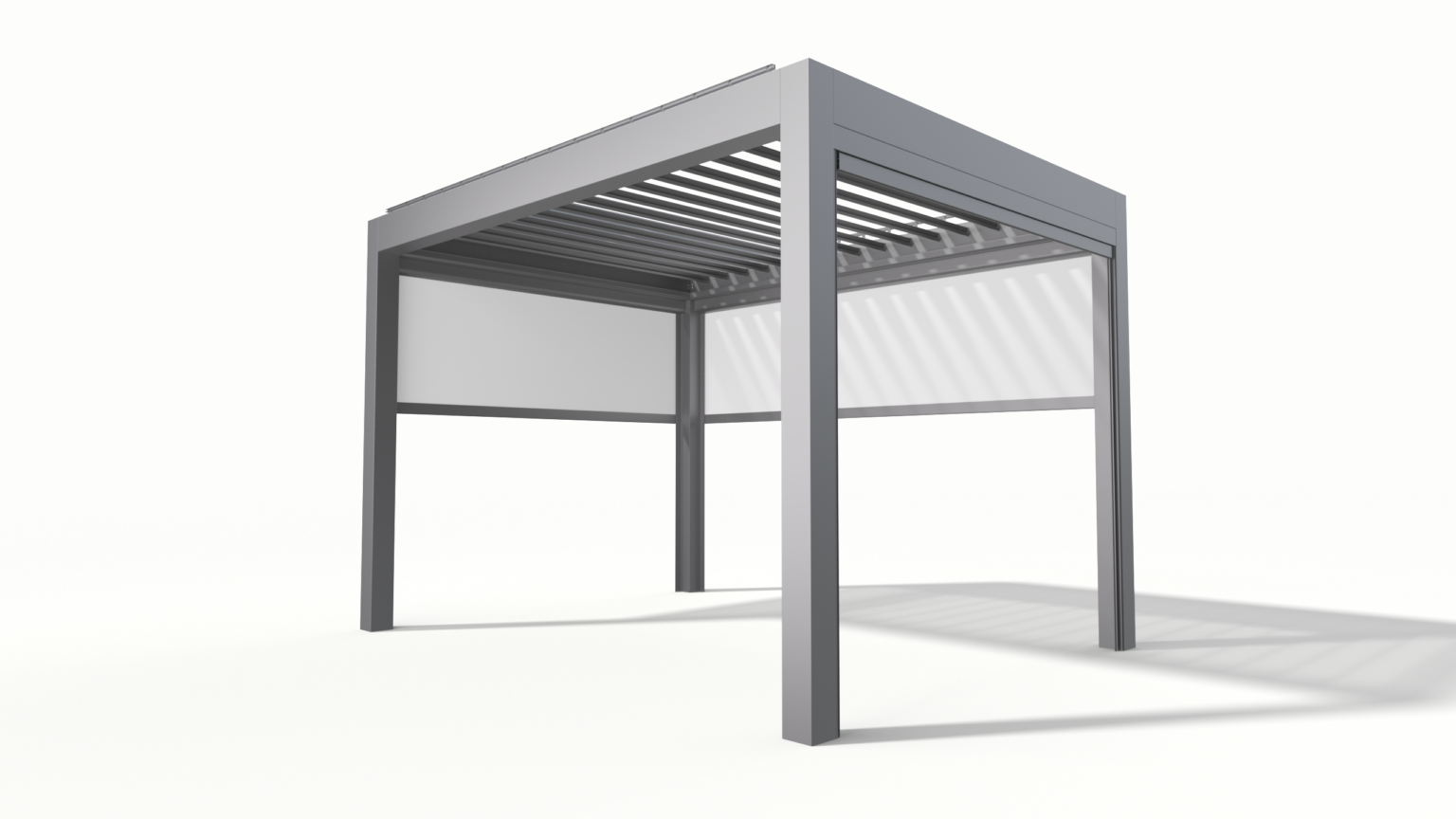
Aluminum framing with powder coat resists rot and paint failure; cedar looks nice but needs annual maintenance. For louvers: motorized aluminum with reliable seals beats cheap plastic blades every time. Confirm the motor brand, control protocol (remote, app, or hardwired), and sensor behavior for rain and snow. If solar is on the table, check panel placement for shading, roof angles, and whether the system is grid-tied or off-grid. Don’t accept vague promises about “weatherproof” hardware without product data sheets.
Permits, drains, and the installation checklist
Permits are not optional. A sealed footing, proper flashing where the pergola meets an existing building, and correct roof membrane detail around connections prevent rot and lawsuits. Insist on anchor bolt embed depths, drainage paths for louver runoff, and a written commissioning step that shows motor calibration and sensor testing. If the crew shrugs at these items, they’re planning to surprise you later.
Common mistakes customers make (and how to avoid them)
1) Hiring on price alone. 2) Letting the company pick the timeline without penalties. 3) Skipping a site survey that checks for overhead utilities and soil conditions. Avoid all three by using a fixed-scope contract with defined penalties, a site-specific risk log, and a verification photo set before final payment.
Alternatives and trade-offs
If you want a quick, cheap cover, a retractable awning will do for light shade but won’t be a structural asset or handle integrated solar. Fixed pergolas are lowest maintenance but offer no dynamic control of sun and rain. Louvered systems cost more, but they give control and expand usable hours. Pick the solution that matches your use-case: occasional shade, year-round outdoor living, or energy production. Don’t pick based on what looks good in a catalog.
Synthesis and a practical closing
Stop treating pergola selection like an impulse buy. Force companies to prove competence with drawings, references, and commissioning records. Insist on real materials data and clear responsibilities for permits and inspections. When you want a partner who understands structure, weather, and integrated systems without the sugarcoated sales pitch, the clarity and workmanship I’ve described are exactly what a specialist like Light Hunter is built to deliver.
