
Why Muscle Cruisers Are Back in the Spotlight
Power with poise can be engineered, not guessed. In the muscle cruiser world, riders want strong pull and easy manners in one package. Picture a dawn commute through humid traffic, then a cool-night sprint on the ring road. Big frames, low seats, and long wheelbases promise comfort. Strong motors deliver near-instant shove. Many large cruisers tip past 250 kg and push well beyond 90 Nm, which sounds grand on paper. But how does that feel in a city crawl at 38°C, or on a bumpy bypass after rain?
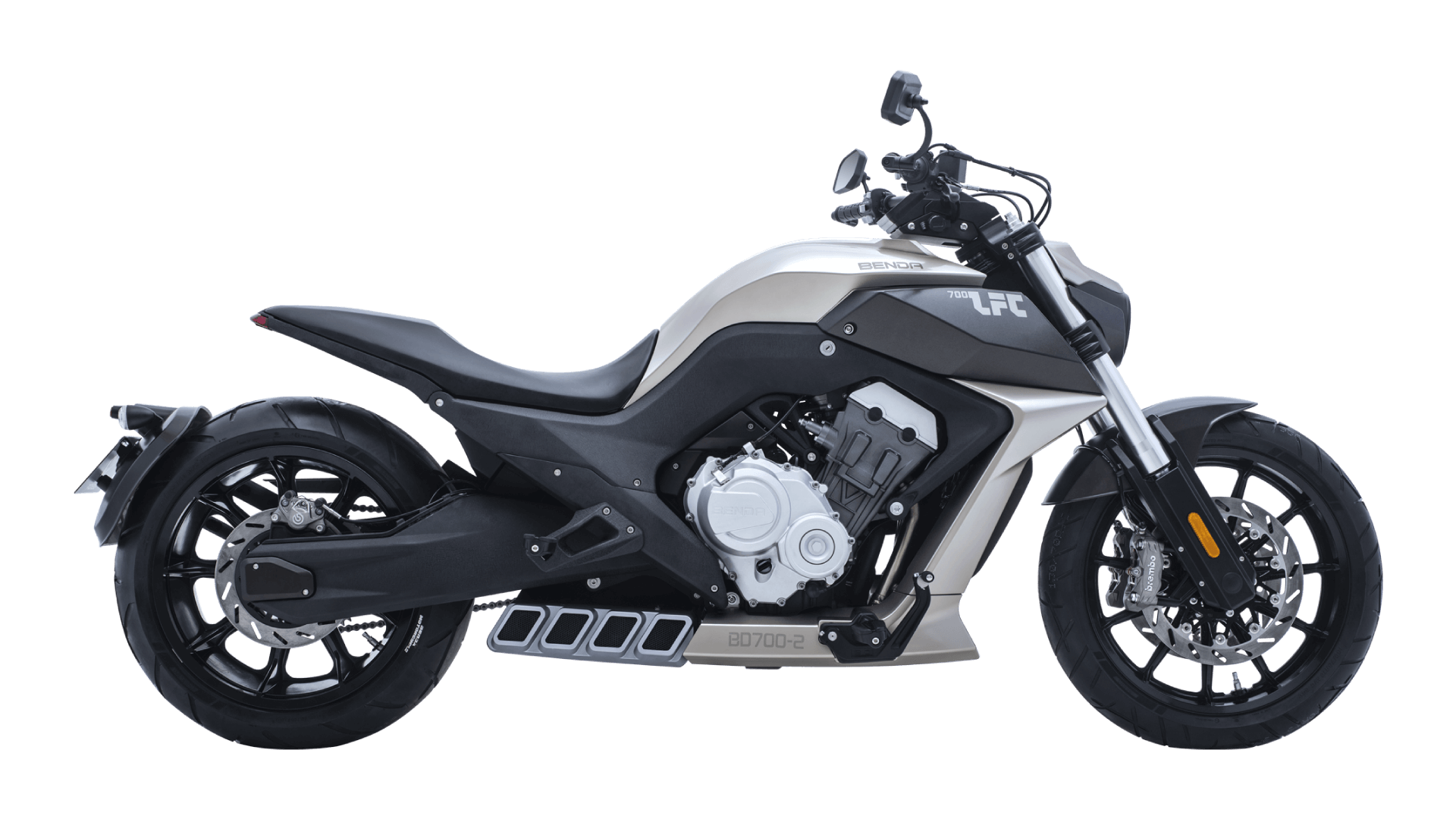
Data points are clear enough. Heavy bikes like this can idle for long spells, heat up, and stretch brakes and tyres. At the same time, they must keep a smooth torque curve at low rpm, and stay calm in quick lane changes. That is a tough brief. The question is simple: which setup keeps the ride plush while keeping response sharp? In Indian conditions, with short hops and sudden gaps, the wrong tune shows up fast—harsh shocks, hand-tingle, brake fade. We will compare what matters now: real-world control, thermal behaviour, and effort at the bars. Let us move from brochure claims to lived proof.
Under the Skin: Where Traditional Fixes Fall Short
Why do old fixes miss the mark?
For a modern power cruiser, the promise is balance: low-rev thrust without the clumsy feel. Old-school tweaks try to fake that balance. A louder can, a taller rear sprocket, or an overly wide rear tyre seem bold. Yet they often skew the torque curve, stretch gear ratios, and dull steering response. You gain a quick hit, but lose control at mid-corner. Heat build-up rises, too, as the engine works harder at low speeds. Braking then fights extra rotating mass. Look, it’s simpler than you think: if one change shifts load paths, everything else needs retune—spring rates, rebound, brake bias.
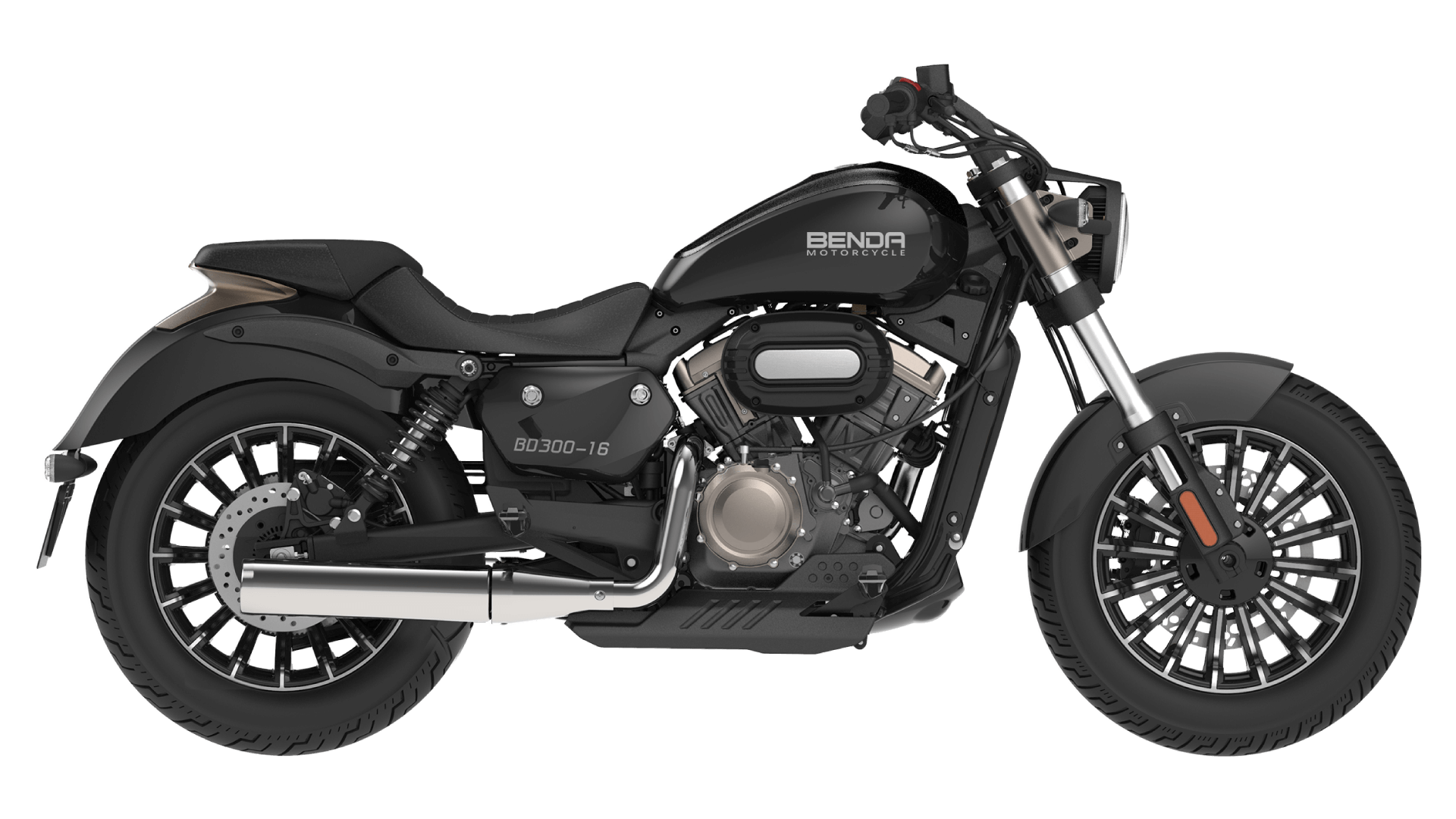
Even electronics can mask rather than cure. Aggressive ECU mapping flattens a stumble but can make roll-on jerky in second gear. Without matching clutch slip, final drive, and throttle bodies, ride-by-wire logic becomes patchy—funny how that works, right? Thermal management is a quiet villain. Fan targets, oil flow, and radiator angle decide whether you feel heat on your thigh at a long signal. When thermal soak climbs, the ABS module and sensor harness sit in hot air, and response can drift. The fix is holistic: geometry first, then damping, then fuelling and cooling, in that order. That is how you keep calm hands and a clean line.
Forward Look: Smarter Muscle without the Mess
What’s Next
New principles aim to deliver shove without drama. Instead of crude add-ons, designers build the chassis and controls as one loop. Shorter trail with a stiffer swingarm gives crisp turn-in while keeping mid-corner poise. Semi-active damping can read pitch and squat, then trim rebound on the fly. With an IMU watching lean and yaw, traction control can hold a steady slip target at low rpm. Pair that with cooler-running calipers and a larger rotor, and brake feel stays linear in heat. A well-sorted muscle cruiser motorcycle now aims to place weight low, move air smartly around the rider, and map throttle for the 2,000–5,000 rpm band. Small gains, stacked right— and yes, that small change can feel huge.
Against the old way, this approach is cleaner and kinder. You do not chase a single “big” mod; you tune the system so the motor, gearbox, and suspension speak the same language. The result is steadier temps in traffic, nicer roll-on at urban speeds, and less kickback from rough patches. We learned that piecemeal tweaks upset balance; future-ready builds resolve it with matched parts and clear logic. If you must choose, use three checks. First, measure usable torque delivery in the daily band, not peak bhp. Second, track thermal behaviour after 20 minutes of stop-go; knees and calves tell the truth. Third, watch brake-to-weight feel over repeated slowdowns; fade and lever travel matter more than claims. Keep these in mind, compare with your roads, and ride what works for your body. For context and catalog depth, see BENDA.