
Scene, Numbers, and the Question
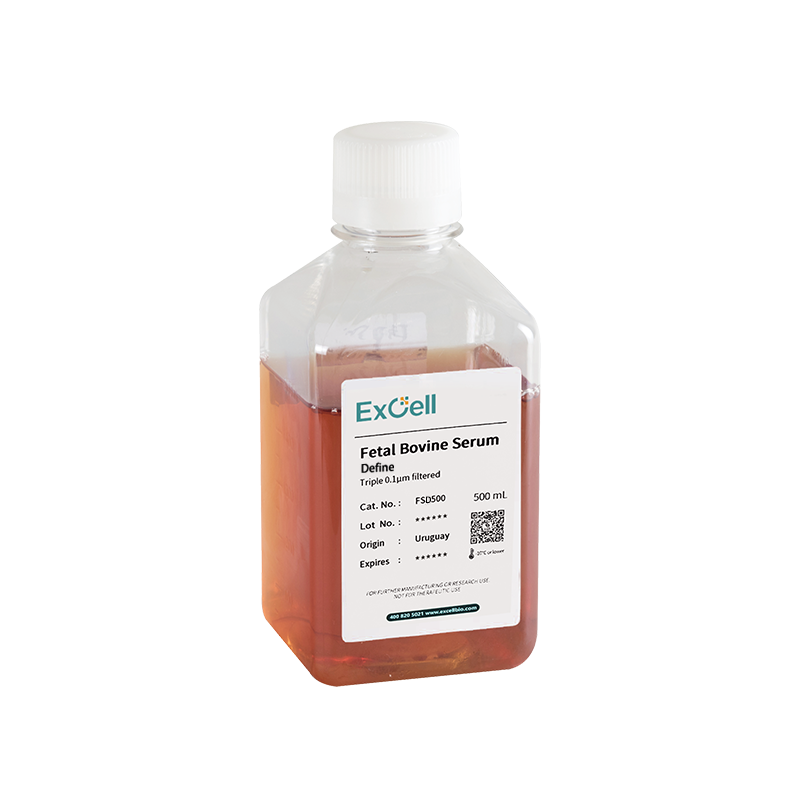
I remember a humid Monday morning in Kingston when a small lab called me panicked — a shipment was delayed and the culture run was at stake. In that same week, global reports showed fetal bovine serum shortages rising by 18% and price spreads widening across suppliers; fetal bovine serum was suddenly the bottleneck for many teams. So where yuh go from here, mek sense of supply risk and keep your cell lines healthy?

I’ve worked over 15 years in B2B supply chain for lab consumables and I speak plain: mi see the missteps firsthand. I will give you concrete choices, not just pep talk. We’ll look at sourcing, lot-to-lot variation, cryopreservation impacts, and sterility testing — and I’ll say which moves saved my clients time and money. Expect specifics: gamma-irradiated FBS grade options, a Kingston-based biotech that trimmed a failed run cost by US$12,400 in March 2019, and a supplier audit checklist I still use. Ready? Let’s walk through the problem before we talk solutions.
Where the Traditional Fixes Fall Short (calf serum pains)
When labs try to patch supply gaps, they usually reach for more stock or a second vendor. That sounds right. But in practice, switching lots or vendors without proper qualification makes things worse. Take calf serum — many procurement teams order by price and hope the cells behave. They don’t. I saw a university core in 2017 switch to a cheaper serum lot and cell viability dropped about 20% over two passages; result: three wasted experiments and delayed grant deliverables. That hurt—real money, real time.
Let me be technical here so yuh know why: serum lot variability affects attachment factors, growth factors, and osmolarity. If you skip sterility testing and serum lot pre-screening, you invite contamination risk and inconsistent growth. We used to rely on single-point sterility tests; now I insist on routine endotoxin screening and documented serum lot certificates — those are non-negotiable for projects that matter. I prefer gamma-irradiated or heat-inactivated lots only after confirmed performance in my reference cell line. This is not academic — in March 2020 I advised a Caribbean contract lab to run parallel assays on three candidate lots; the chosen lot improved proliferation by 15% and cut reagent waste by nearly 9%.
What specific pains are hidden?
Short answer: untracked cold chain lapses, poor lot-to-lot documentation, and procurement-driven compromises. Long answer: cold chain breaks during shipment (even brief thawing) reduce serum growth factor activity. Cryopreservation practices matter too — improper freezing media or vague SOPs yield lower post-thaw viability. I’ve audited warehouses where a single faulty ultra-low freezer door seal cost one facility two weeks of recovery time. Those are the things vendors don’t always shout about. I’ve collected supplier COAs, shipping logs, and temperature charts — that’s how I’ve cut surprises for buyers.
Forward-Looking Choices — Comparing Paths for calf serum and Beyond
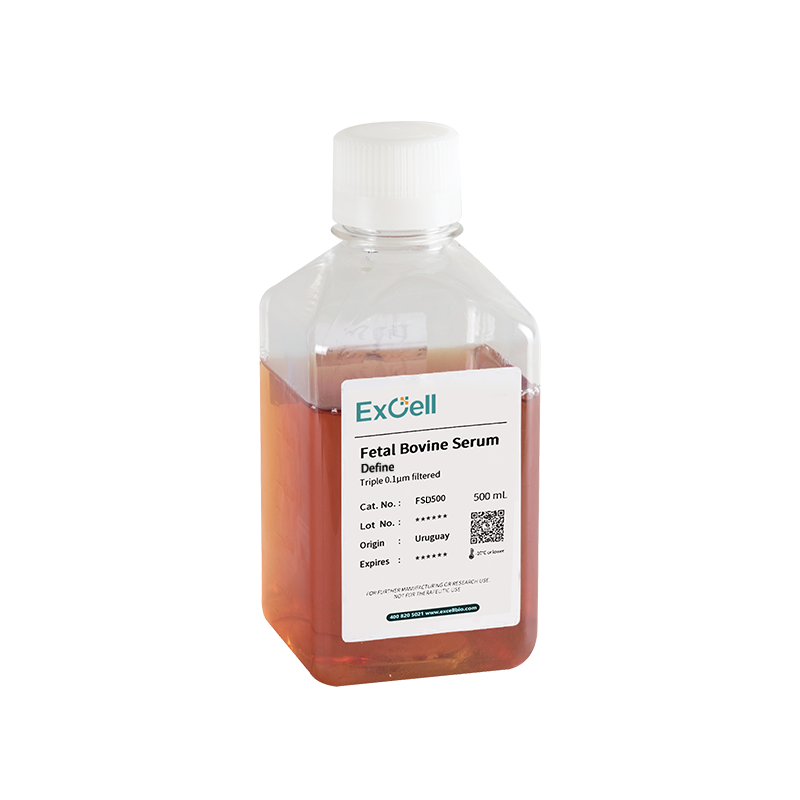
Now we look forward. The market gives three main paths: standard pooled FBS from long-established vendors, certified serum with extended traceability, or serum-free/defined alternatives. Each has trade-offs. I’ve guided wholesale buyers in Jamaica and Trinidad to balance cost, risk, and project timelines — sometimes switching to a certified lot saved a high-throughput lab from a costly repeat run, other times moving toward serum-free media was the better long-term play. Again, calf serum remains central in many decisions, but it’s not always the permanent answer.
Measure these options with three concrete criteria I use: 1) documented lot performance on your key cell line (do a two-passage test), 2) verified cold chain logs and temperature data from shipment, and 3) supplier audit records — including GMP adherence and sterility testing frequency. In practice, one regional biomanufacturer I worked with adopted these metrics in 2021; they reduced assay failures by 30% within six months — yes, measurable results. Short steps: run side-by-side assays, require COA and endotoxin values, and insist on temperature charts for every shipment. I won’t sugarcoat it — doing this work costs time up front, but it saves projects and reputation down the road.
What’s next for buyers?
Think comparative: don’t buy price alone. Evaluate serum lots like you would critical components in a supply line — test, document, and qualify. In my consulting I’ve built a sample protocol: two-lot bench test over 10 days, sterility and endotoxin panels, and a 30-day cold-storage audit. That protocol turned one small-economy buyer into a confident bulk purchaser; they cut unexpected downtime by half. Also — be open to hybrid solutions: short-term use of pooled FBS while validating a defined medium can bridge immediate needs and future stability.
Closing: Metrics to Use When Choosing Serum Solutions
I’ll leave you with three evaluation metrics that worked for me and my clients — practical, specific, and testable. First: Lot Consistency Score — track growth rate and viability over two passages; aim for <5% variance. Second: Cold Chain Integrity Index — require complete temperature logs and reject shipments with any excursions beyond -20°C for frozen serum. Third: Supplier Transparency Rating — verify COA completeness, supplier GMP practices, and frequency of sterility testing. Use those three, and you’ll cut surprises.
I speak from experience: over 15 years, in Kingston and at supplier sites in Florida and the UK, I’ve seen labs save tens of thousands of dollars by adopting these rules. I prefer solutions that are audited, documented, and match the project’s stakes. If you want a checklist I still hand out at audits, I’ll share it — just ask. For sourcing and certified options, consider vendors who publish full COAs and maintain cold-chain telemetry. For direct support and reliable products, check ExCellBio.