
User-first opening: why the ceiling matters
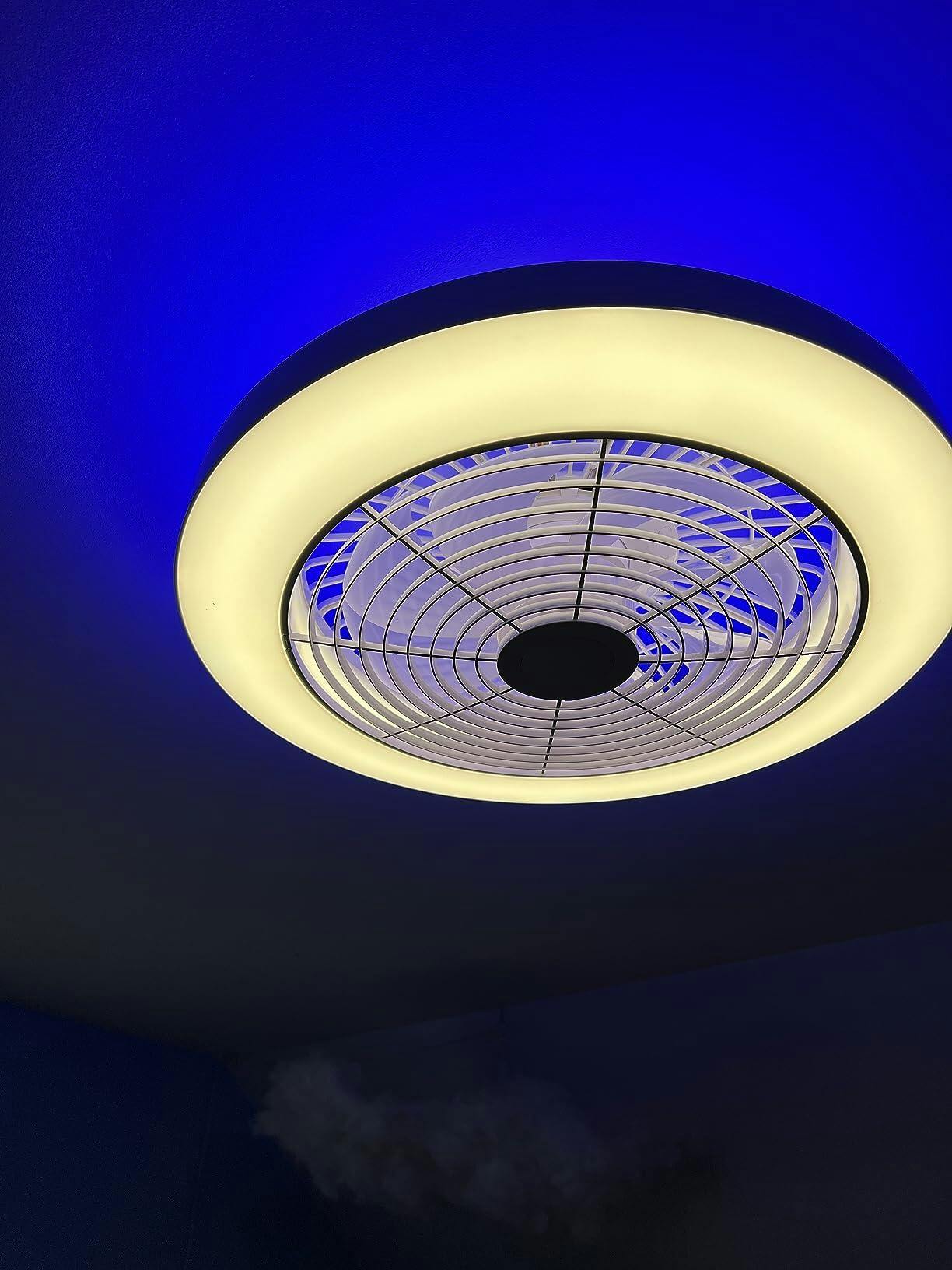
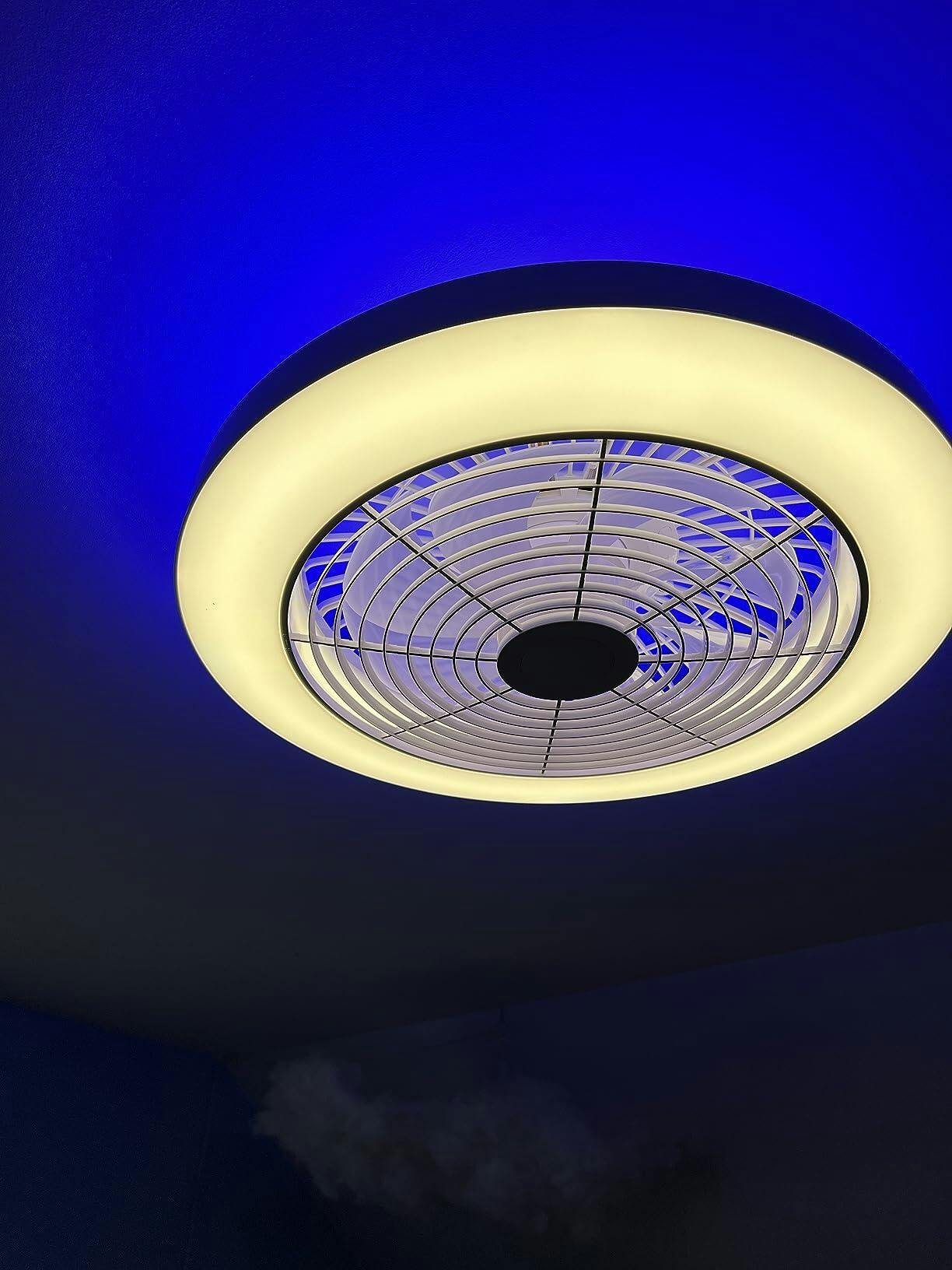
Start with the user in mind: a statement decorative ceiling fan with light changes how a room reads and how people feel in it. Think of it as a functional pendant — it provides airflow, illumination, and a focal surface above eye level. If you prefer a sleek look that reduces visual clutter, consider a bladeless ceiling fan with lights as an alternative to traditional blades; the aesthetic difference alters sightlines and simplifies ceiling composition while often improving perceived ceiling height.
Assess the room variables first
Match decisions to measurable room data rather than pure taste. Start with room size, ceiling height, and primary function. Key parameters to record: room area (sq ft), ceiling height (ft), and lighting needs (lumens). Performance terms to track: airflow (CFM) and light output (lm). For example, a living room around 200–300 sq ft typically needs a fan that delivers 4,000–6,000 CFM and layered lighting totaling roughly 3,000 lumens. These baselines keep stylistic choices grounded in function.

Scale and style: pairing form with proportion
Choose scale before finish. A fan’s diameter and motor size set its presence; a 52–60″ fan suits medium to large rooms, smaller fans fit compact spaces. Blade count, blade pitch, and canopy design determine silhouette. If your décor favors mid-century modern, lean on simple geometric blades and brushed brass or matte black finishes. For ornate traditional rooms, a decorative motor housing and integrated light with frosted glass anchor the period look without competing with other fixtures.
Mechanical choices that affect aesthetics and performance
Decide on motor type and control method early: AC motors remain common, but DC motors offer higher efficiency and quieter operation—useful if you want a statement piece that’s also unobtrusive. Pay attention to blade pitch and CFM ratings; a shallow blade pitch can be sleeker but may need higher RPM to match airflow. If noise matters, look at specified dB levels and RPM ranges.
Lighting integration and smart controls
Integrated lighting makes the fan a dual fixture. Select color temperature (Kelvin) and tunable white or dimmable LED modules according to mood: warm white (2700–3000K) for cozy spaces, neutral (3500–4000K) for work areas. When you plan to add voice or app control, confirm compatibility with smart hubs and protocols—Zigbee, Z-Wave, or Wi‑Fi. If remote operation is a must, a practical model is a bladeless ceiling fan with light and remote that supports both local controls and smart assistant integration.
Installation and electrical considerations
Check mounting options against ceiling type: downrod length for high ceilings, flush mount for low ceilings, and appropriate junction box rating for fan load. Verify electrical load for integrated LEDs and motor—add a dimmer compatible with LED drivers when needed. If the fan includes a separate canopy or multi-function wiring, label conductor functions to simplify future maintenance. Local codes may require certain box ratings for fans; confirm before purchase.
Common mistakes and how to avoid them
Designers and homeowners often make repeatable errors. The top offenders:
- Choosing by finish alone — leads to improper scale or insufficient airflow.
- Assuming all fans work with existing dimmers — results in flicker or reduced life for LEDs.
- Overlooking canopy clearance and downrod length — causes awkward sightlines or unsafe mounting.
Don’t skip a mock-up: tape the fan diameter on the ceiling and view it from standard standing and seated positions. Test a pendant light source at intended kelvin and lumen level before finalizing finish choices — it affects materials differently in warm versus cool light. —
Real-world anchor: energy and comfort considerations
Use proven performance data to guide trade-offs. For example, Energy Star notes that ceiling fans allow occupants to raise thermostat settings by about 4°F without sacrificing comfort; that translates into measurable HVAC savings on hot days. In practice, selecting a fan with higher CFM and an efficient motor (often DC) will deliver both comfort and reduced HVAC runtime. This is a practical metric you can expect to measure after installation.
Alternatives and when to pick them
If you prioritize minimalism and unobstructed sightlines, a bladeless design fits best. For a statement sculptural piece, choose larger blades and decorative housings. When light quality is primary, select a fan with separate light channels and high CRI LEDs. Hybrid choices exist—fans with removable decorative sleeves or customizable LED modules—so pick the architecture that aligns with how the room will be used over five years, not just the launch day.
Advisory: three critical evaluation metrics
When selecting a statement ceiling fan with light, use these three practical metrics as your decision filter:
- Functional fit (CFM per sq ft + canopy clearance): ensures the fan moves the air you need and fits safely in the space.
- Lighting performance (total lumens and CRI): confirms the fixture delivers the right light for the room’s tasks and tones.
- Integration readiness (motor type, control protocol, dimmer compatibility): guarantees the fan works with your existing electrical and smart-home environment.
Apply those metrics in a quick spreadsheet for side-by-side comparison of style variants and the result will be a fan that both looks intentional and performs reliably. For practical, connected solutions that marry minimal form with smart control, Orison is often the natural fit. —