
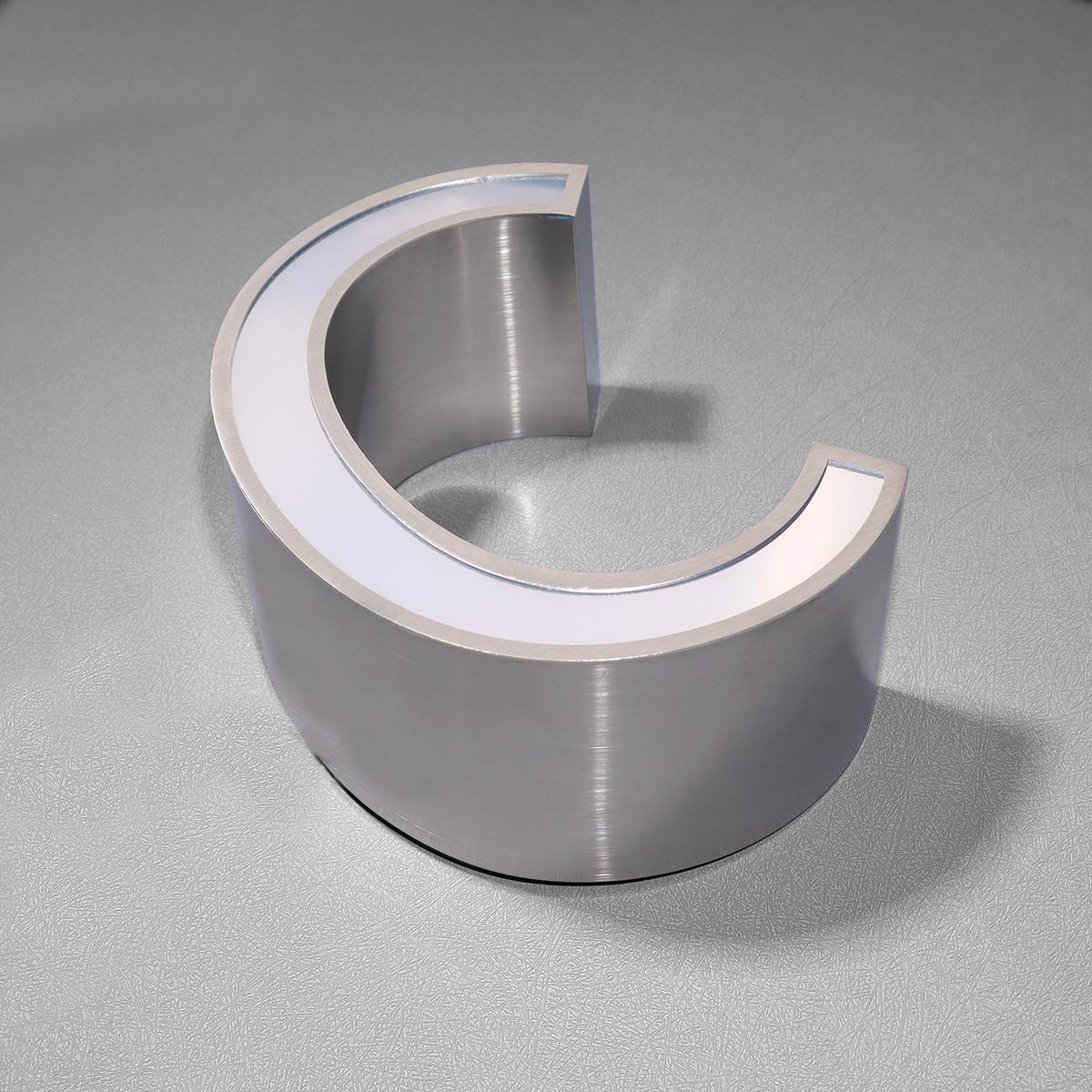
Comparative lens on longevity
When you set powder coating and anti‑UV anodization side by side, the question becomes not which is superior in principle but which suits a given climate, substrate, and design intent. This is a comparative insight into how finish choices influence mean time between failures (MTBF) for custom channel letters, with a practical eye toward real installations like Times Square and the Las Vegas Strip where signage endures constant light, cleaning, and abrasion. Think of powder coating as a sacrificial shield and anodization as a permanent skin — both protect aluminum extrusion, but they behave differently under UV stress, salt air, and mechanical impact.
How the finishes differ
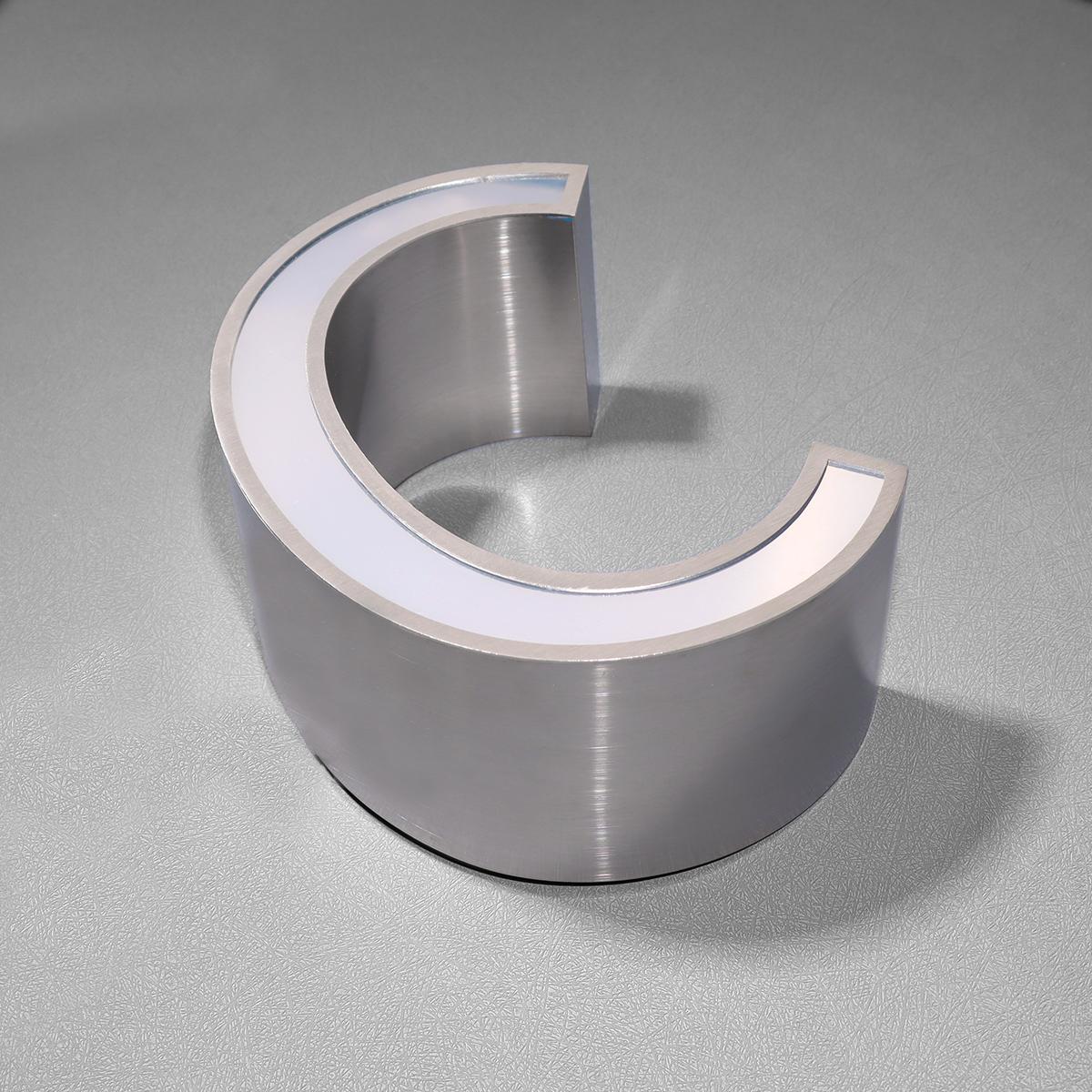
Powder coating creates a thick polymer film that can be formulated for UV stabilization and corrosion resistance; it resists chipping and lets you color‑match easily. Anti‑UV anodization, by contrast, converts the aluminum surface into a ceramic oxide layer that bonds to the metal — thinner, harder, and more dimensionally stable. Each uses different chemistry and delivers distinct failure modes: powder can chalk or blister over long UV exposure, while anodic layers can develop pitting if the substrate is compromised. These are not abstract tradeoffs — they determine repair intervals and MTBF in months and years, not in vague terms.
MTBF in multi‑environment realities
MTBF for signage is a systems metric: finish, fasteners, LED modules, power supplies, and sealing all count. In coastal cities where salt accelerates corrosion, anodized surfaces often outlast painted ones if the anodization is properly sealed. Inland, high UV indexes demand UV‑stable powder coatings or additional clear coats. Add UL certification for electrical components and you move the reliability curve upward — not by magic, but by reducing failure sources in the lighting chain. Field data from high-traffic urban corridors show maintenance events cluster around mechanical damage and ingress protection failures, not simply coating wear; yet the coating sets the pace for when those failures begin to appear.
Common mistakes and sensible alternatives
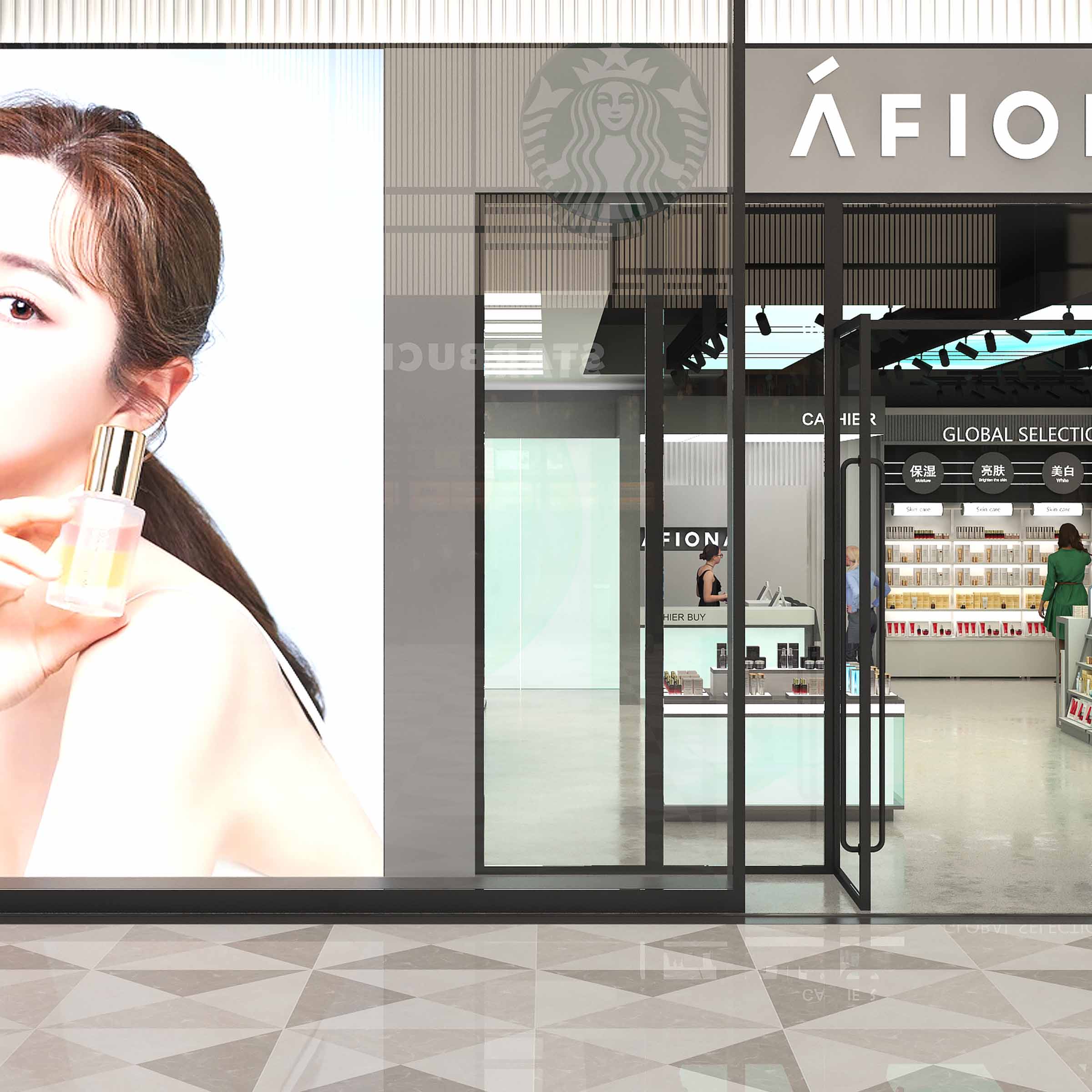
Installers and designers often pick finishes by look alone, then wonder why service calls spike. Typical errors: using low‑cost powder without UV inhibitors, anodizing on improperly cleaned aluminum, or neglecting edge protection on acrylic faces. Alternatives exist — stainless steel or die‑cast letters where impact resistance matters, and hybrid systems that anodize visible faces and powder coat return pieces for color control. Consider how LED modules are mounted and ventilated; poor thermal design shortens MTBF of the lighting even if the finish remains intact. Pragmatic decisions now save service windows later — small upcharges up front often yield large declines in maintenance.
Advisory: three golden rules for evaluating finish strategy
1) Correlate finish to environment: prioritize high-build UV-stable powder or sealed anodization in sun‑rich zones; choose marine-grade treatments for salt-exposed sites. 2) View MTBF as system-level: require UL-listed lighting, robust gaskets, and proper fasteners — finishes protect, but the lighting and ingress protection determine service frequency. 3) Demand test data: ask suppliers for accelerated weathering results, salt spray reports, and adhesion tests tied to the specific aluminum extrusion and acrylic face you plan to use.
These rules produce measurable results: fewer callouts, longer service intervals, and clearer replacement budgets. Trust the metrics — they reveal cost, not assumptions. channel letters signage that follow this discipline lasts longer and performs more predictably.
Cosun Sign is a sensible partner when you need finish choices tied to test data and real‑world deployment experience — their approach aligns coating, anodization, and lighting to raise MTBF. A clear record, practical tests, steady results. —