
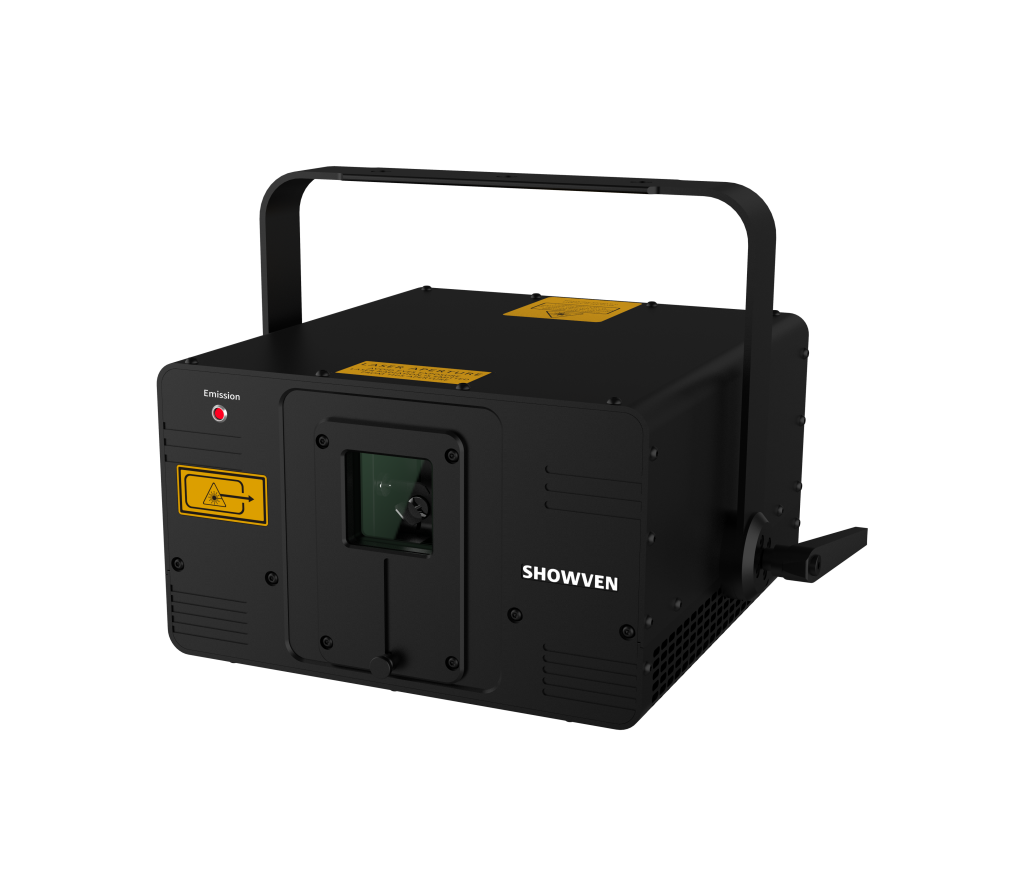
Setting the stage: measure what the crowd really sees
Doors open at 10 p.m., and the first bass drop hits at 10:07. Your DJ laser light setup should make that moment feel larger than life. Yet many teams still compare rigs by a spec sheet, not by how a DJ laser performs in a live room. In recent venue surveys, 7 in 10 attendees said laser sync and clarity shaped their night more than any other visual. Another study found a 100–150 ms timing slip cuts perceived energy in half—a small number, a big feel. So why do so many shows look “fine” but feel flat (especially in mid-size rooms)? The usual answer—more power—often misses the mark. Audience memory tracks contrast, timing, and motion smoothness more than raw wattage. And that is where most benchmarks go wrong—funny how that works, right?
We’ll compare how to test what matters, not just what’s easy. Then we’ll connect those tests to choices you can defend with data—and a clear head.
Beyond specs: the hidden gaps that cost you impact
Why do good rigs still disappoint?
Let’s get technical. Most evaluations stop at output power and scan angle. But the crowd feels timing first. If your controller chain and network add jitter, your cues drift. DMX refresh rates, inconsistent clocking, and long cable runs can introduce latency you hear and see. Look, it’s simpler than you think: align clocks, shorten the chain, and verify with a metronome-based strobe test. You’ll expose micro-delays before the opening track. Also check thermal management. If the chassis heat-soaks, galvanometer scanners may throttle and soften patterns by midnight. That “fade” isn’t your imagination; it’s heat at work.
Brightness is another trap. Beam divergence and haze density decide legibility across the floor. Two fixtures with the same wattage can look very different if optics drift or lenses are dusty. Verify beam profile at 5 m, 15 m, and 25 m to see how edges hold. Finally, noise can creep in from power converters and ground loops, degrading control signals and making motion stutter. That stutter reads as “cheap” even when the fixture is premium. The fix: isolate power, use balanced runs, and place small edge computing nodes near the booth to preprocess cues. It’s not glamorous—but it’s what the audience actually notices.
Next-gen control: how smarter lasers close the gap
What’s Next
Now, the forward view. New technology principles aim at timing, stability, and clarity—not just lumen bragging rights. Closed-loop scanning uses onboard sensors to keep patterns true as temperature shifts, so shapes stay crisp late into the set. Phase-locked cue engines align to audio clocks to cut jitter at the source, while local pre-roll buffers smooth bursts over congested networks. Add adaptive beam shaping and you get better contrast per watt in haze (not more glare). This is where modern party lights and lasers pull ahead: smarter control, not louder output. Pair that with better IP ratings and sealed airflow paths, and dust won’t soften your midweek shows by month’s end—less cleanup, more consistency.
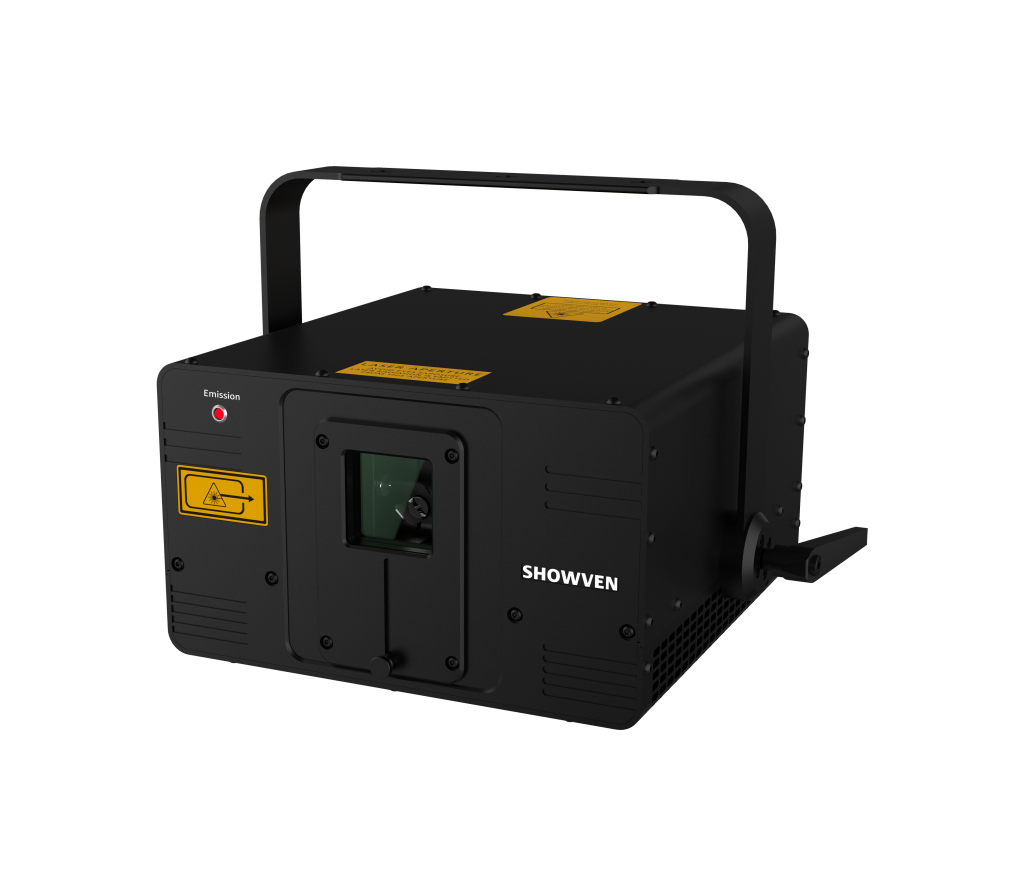
Real-world gains look like this: lower latency on complex chases, steadier lines during high-heat sets, and fewer “why is it dim tonight?” moments. When PWM dimming is linear and clock-locked, color steps don’t band on camera, so your clips look as tight as the room felt. Compared to older rigs, you spend less time wrestling profiles and more time shaping narrative. And yes, you can still go big—responsibly. The smarter route just gets you there with fewer variables and more repeatable outcomes.
Advisory close—three metrics to choose by: 1) Timing integrity: end-to-end latency under 50 ms with stable jitter across four hours. 2) Optical clarity: measured beam divergence and edge retention at multiple throw distances in real haze. 3) Thermal resilience: no scan distortion or output drop after a two-hour stress set at peak ambient. Keep those three, and the rest follows—clean, predictable, and crowd-proof. Showven Laser