
Introduction — A streetlamp, a scooter, and the hum of a rotor
One evening I watched a delivery rider glide past a rain-slick lane, the soft whir of machine meeting pavement — and I wondered how many watts were wasted along the way. By the second line I am thinking about the electric motor and its quiet compromises: efficiency numbers that look good on paper, but seldom match rush-hour reality. Recent field tests show mid-sized urban drives often lose 8–15% efficiency under stop-start loads (that’s measurable, and maddening). So what does that gap mean for fleet operators, hobbyists, and designers alike?
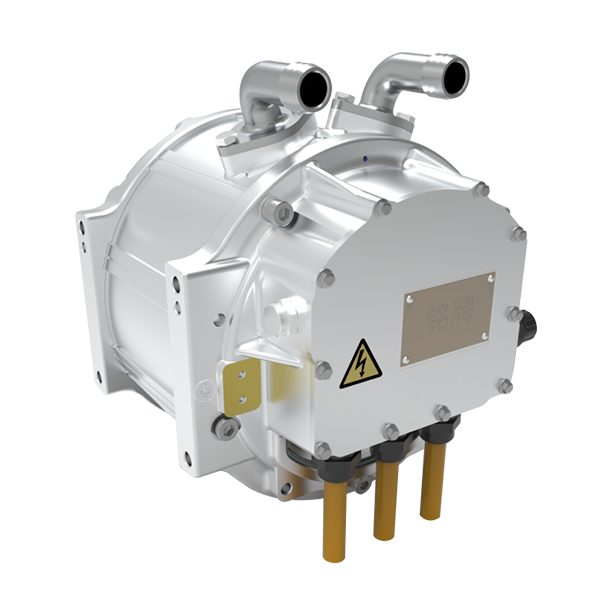
I’ll share what I’ve learned — a few stories, a dash of data, and some practical judgement. My aim is to make choices clearer, not colder. We’ll move from what people usually try, into where the real problems hide, then forward toward firmer options. Ready? Let’s walk through the noise to the parts that actually matter.
Part 1 — Why common fixes for the brushless motor often miss the mark
How do those flaws appear in everyday use?
When I talk about a brushless motor, I mean the type people expect to be low-maintenance and efficient. Yet time and again I see the same complaints: vibration that reduces life, poor low-speed torque, and control schemes that behave oddly with variable loads. Engineers often point to one culprit — poor tuning — while operators feel the pain in downtime and odd noises. I’ve sat through meetings where vector control was treated like a silver bullet; and — funny how that works, right? — it only helped when the whole system was right. Terms you’ll hear in those rooms: torque ripple, Hall sensors, inverter harmonics. These aren’t exotic; they’re practical levers.
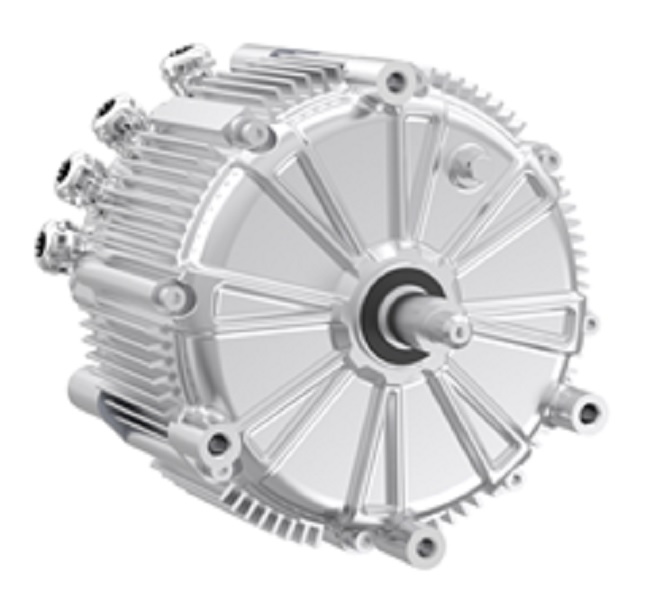
Look, it’s simpler than you think: many “upgrades” patch symptoms but ignore system-level mismatches. I’ve seen a fine inverter paired with a mismatched gearbox and the result is still a creak and a complaint. Sensorless control tricks can save cost, but they often give up stability at low RPM. When I say the traditional route is flawed, I mean the methods favor component swaps over understanding load profiles, thermal cycles, and feedback delays. That’s a judgment call based on hands-on fixes, not theory alone. If you want fewer surprises, start with measurement — current traces, temperature logs, and, yes, encoder feedback — then tune, don’t just replace.
Part 2 — Looking forward: principles and choices for the next generation of drives
What’s next for practical, efficient drives?
I’m optimistic. New control principles and smarter electronics let us extract real gains without magic. Consider the modern field-weakening strategies and adaptive vector control that learn load patterns over time. Pair those with better power converters and you get smoother torque and less heat. In practice, that means a pmsm motor installation can run cooler and last longer when the drive is allowed to adapt — not just obey preset maps. I’ve watched a small factory cut energy use and extend bearing life by a simple strategy change; the upfront cost was modest but the returns were clear.
So what should you measure before you buy or tweak? Here are three metrics I use when evaluating options: 1) real-world efficiency across the duty cycle (not just peak efficiency), 2) thermal headroom under sustained loads, and 3) control latency and diagnostic visibility. Those tell you more than a spec-sheet claim. I’m not saying every project needs high-end controls — often a simpler, well-matched setup is best — but you must choose with evidence, not hope. At the end of the day, I want systems that behave predictably and kindly. — and that’s a practical aim, not a slogan. For guidance and parts, I’ve relied on partners like Santroll when a trustworthy source was required.