
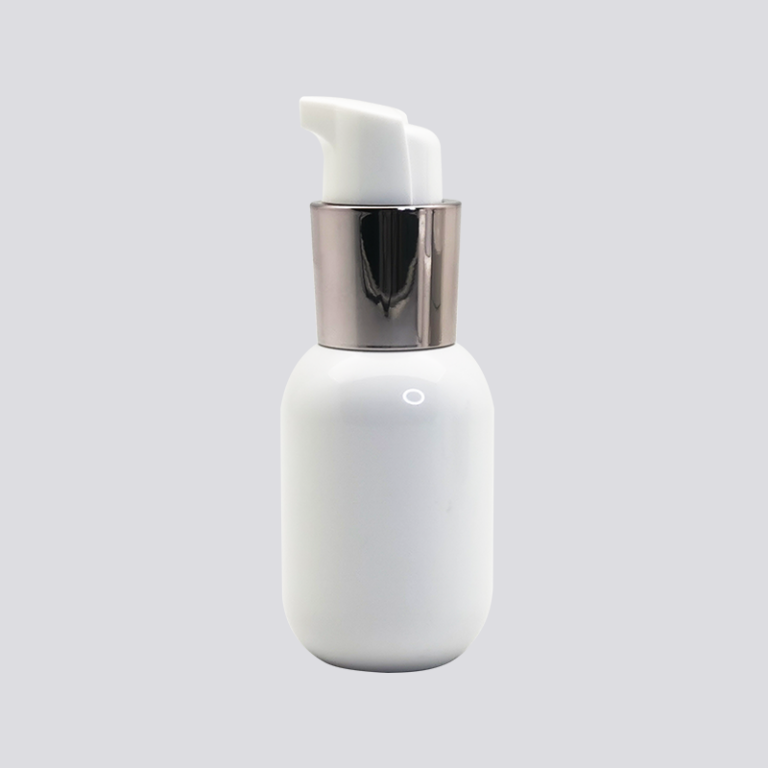
The First Touch, The Lasting Choice
Here’s a bold truth: the bottle teaches the hand before the formula reaches the nose. A pet cosmetic bottle manufacturer sits behind that moment, shaping how it feels and performs. In a bright grooming room, a tech flips caps, checks glide, hears the soft click, and judges the pour—long before any dog or cat gets a shine. Industry reports often show that a large slice of product complaints trace back to packaging issues, not the blend itself. So the stakes are real. Are your cosmetic pet bottles sending the right signal?

Think about grip and balance, the arc of a squeeze, the clean snap of a closure. These live in small choices: preform quality, neck finish tolerance, and wall thickness that resists denting but still flexes. You can almost taste the spec sheet—tight, exact, and tuned for the work. Yet numbers are not enough. The scent of fresh resin, the hush of a sealed thread, the way light hits the label panel all add up to trust. And trust converts. So, what separates look-good from work-hard? Let’s move from surface shine to the real mechanics.
Hidden Pain Points the Spec Sheet Misses
Where Do Bottles Fail You?
Let’s get technical. Many misses hide between “standard” and “fit-for-purpose.” Torque mismatch can loosen closures in transit. ESCR (environmental stress crack resistance) can fail when shampoos carry essential oils. An oversized preform can cause cold spots in ISBM (injection stretch blow molding), which leads to weak shoulders. Label lift happens when slip agents lower surface energy. — funny how that works, right?
Now the field reality. Caps leak when the liner and neck finish don’t agree across batches. A trigger sprayer feels gritty because thread flash wasn’t trimmed clean. Drop tests pass at room temp but fail after a week in a hot van. Pump stroke stalls when wall thickness varies near the heel. Look, it’s simpler than you think: map real use first. Run a leak test at pressure, not just a static sit. Pull data from torque retention after vibration, not one-time twist. Check ESCR using your true formula, not just water. Then align print methods—silk-screening, hot stamping—with surface energy and cure windows. Hidden pain points shrink when you test the way your customers actually handle the bottle—wet hands, rushed mornings, cramped sinks.
Comparative Signals and What’s Next
What’s Next
Forward-looking choices are clearer when you compare what changes vs. what endures. New technology helps. Inline vision systems read neck finish variance in real time. Closed-loop QC adjusts heat and stretch to hold CPK steady. Lightweighting uses FEA to protect top-load while trimming grams. A smart cosmetic pet bottles suppliers manufacturer setup now pairs digital twins with line data—so a flaw caught at cavity 4 gets traced to the exact preform lot. That means fewer surprises, more predictable runs, and cleaner audits (and yes, you can measure it).
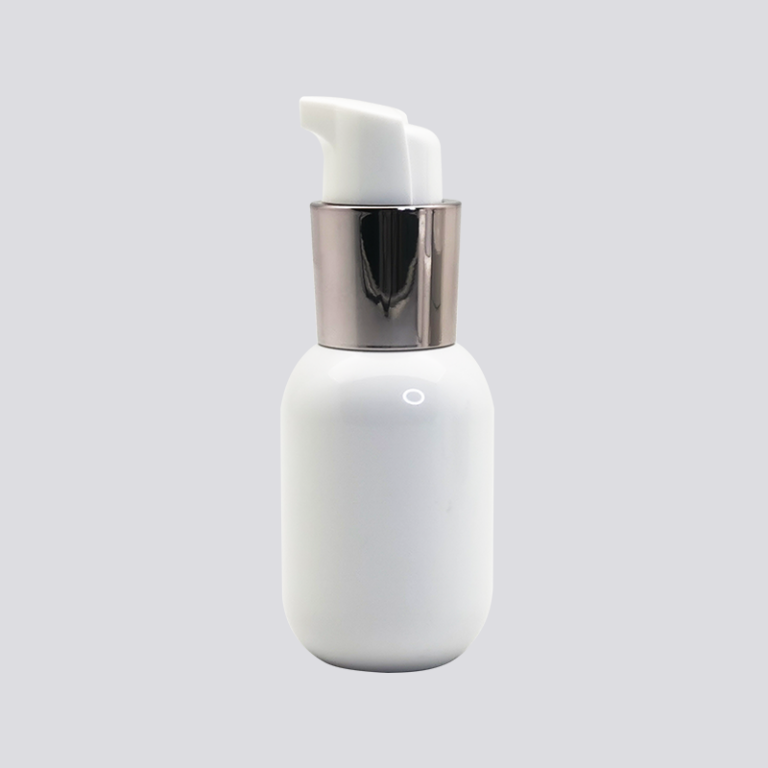
Comparatively, older lines chase uniformity after the fact. Newer lines hold it in the moment. You see it in tighter torque bands, cleaner thread starts, and better leak rates at low liner weight. You also see it in recyclable design: PCR content tuned to odor thresholds, UV inhibitors that don’t muddy clarity, and colorant masterbatch that stays label-friendly. Summing up: test like the field, spec like the line, and buy like you will scale. For final checks, use three simple metrics that travel well: 1) neck finish CPK above 1.67 under full speed; 2) verified leak rate at target pressure with your formula, not water; 3) PCR percentage that meets your brand look without raising scrap or odor risk. These keep choices honest and future-ready—no drama, just results. Learn, compare, and iterate with partners like NAVI Packaging.