
Introduction: A Farm Story, Some Numbers, and a Simple Question
I was standing under a low-slung barn roof one humid July morning, watching chicks cluster where the light was bright, and I thought, “That right there tells you all you need.” Broiler lighting shapes bird behavior and growth — from feeding windows to rest cycles — and poor light can cost you feed conversion and uniformity. Around here a 3–5% hit to feed conversion shows up quick on the ledger (and folks notice). So I ask: how do you turn light into an advantage instead of a cost? I’ll tell you what I’ve seen and what I’d change, plain and straight. Now let’s walk through where the trouble starts and what to do next.
Part 2 — The Hidden Flaws in Current Broiler Lighting Programs
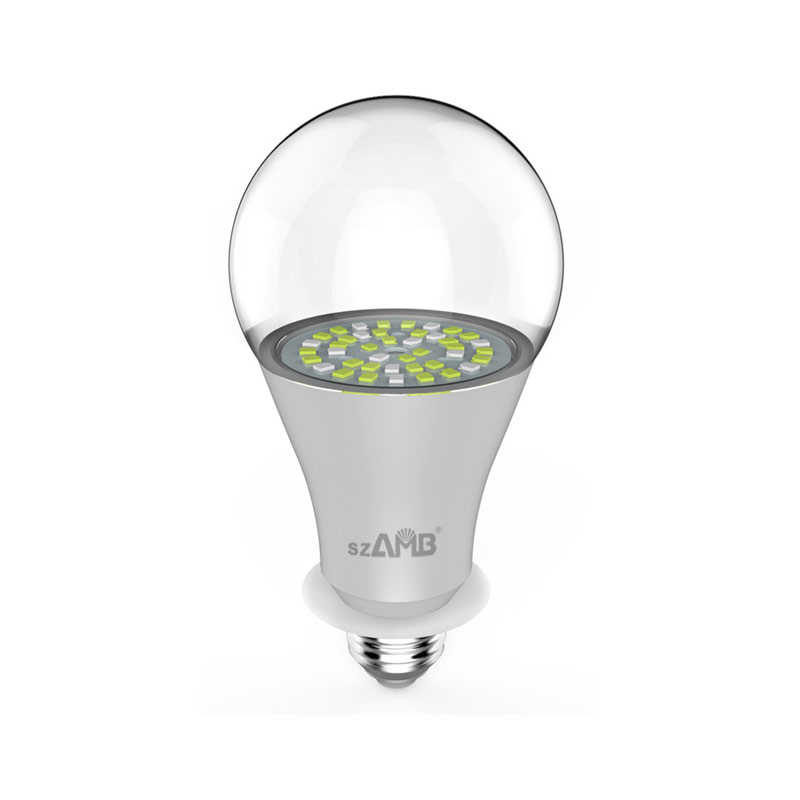
broiler lighting program setups often look fine on paper, but they hide a pile of small problems that add up. I’ve audited houses where LED drivers hummed away and dimming systems were set by habit, not by bird need. Those drivers and dimming systems can create flicker or uneven spectral distribution, and that screws with bird rhythms. We see uneven weight gain and higher leg problems when photoperiod and light intensity aren’t tuned right. Look, it’s simpler than you think — small mismatches in lux levels or wrong color temps do real harm.
Why do these flaws linger?
First, folks rely on old standards: fixed schedules and one-size-fits-all intensity. Second, equipment choices are driven by upfront cost, not lifecycle value. And third, control systems are often standalone — no edge computing nodes, no feedback from actual bird behavior. Those gaps produce hidden waste: poorer feed conversion ratio (FCR), patchy uniformity, and more manual labor correcting problems. We’ve seen houses where power converters and LED drivers were mismatched, causing poor lumen maintenance and early color shifts. That’s money walking out the door, slow and steady.
Part 3 — Looking Forward: Principles and Practical Paths
When I talk about the next step, I mean practical upgrades that pay off. New technology principles include adaptive lighting that adjusts spectral distribution and intensity to bird age and activity, and centralized control that ties dimming systems to real-time data. A good broiler lighting program will blend timers, sensors, and simple analytics so you’re not guessing. We’re not chasing buzzwords here. Instead, we pick tools that track photoperiod, monitor lux at bird level, and preserve lumen maintenance over seasons. That keeps birds calm, eats less feed per pound gain, and reduces culls.
What’s Next — Real-world Steps
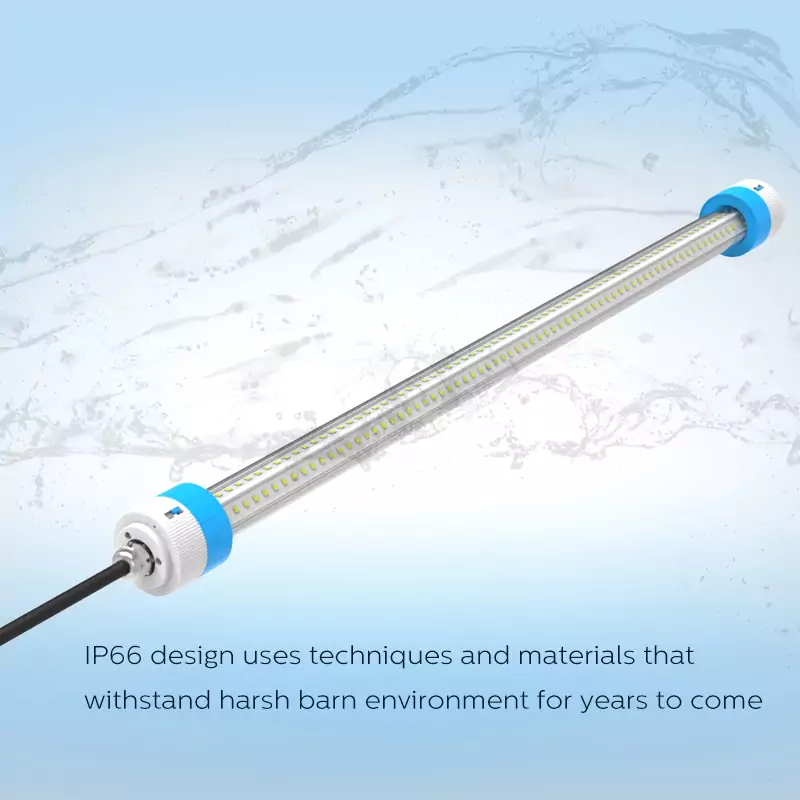
Start small. Swap out a single dimming zone for one with better LED drivers and a simple sensor. Watch feed intake, bird movement, and FCR. Then scale. You’ll find—funny how that works, right?—that your labor needs drop and you get steadier gains. Also, consider investing in systems that report simple metrics (daily light hours, average lux, spectral shifts) so you can make decisions based on facts, not feelings. I’ve helped farms do this on modest budgets; the trick is sequencing upgrades and measuring each step.
Closing — Key Metrics to Judge a Lighting Solution
I’ll leave you with three practical metrics I use when picking or recommending solutions: 1) Feed Conversion Ratio change (before vs. after), 2) Uniformity index across a flock (weight CV), and 3) System uptime plus measured lumen maintenance over six months. Those tell the story faster than a sales pitch. Evaluate by results, not promises. And remember, I’m speaking from the lane — from barns, not boardrooms — so I favor fixes that pay back in one or two flocks, not five years down the road. If you want to dig deeper, check resources from szAMB. We’ll keep it practical, honest, and useful.