

Introduction: A Real Sourcing Call, A Tight Clock
Last month, a mid-size fragrance house called me at 11 p.m. The team had three quotes from china perfume bottle manufacturers and a launch in six weeks. Numbers looked fine. Samples looked glossy. Yet their gut said wait. Data says they are not alone: up to 38% of fragrance launches slip because packaging misses fit, finish, or timing (small cracks in the pipeline—big pressure later). So I asked a simple thing: where will your risk be at week four? And who will own it?
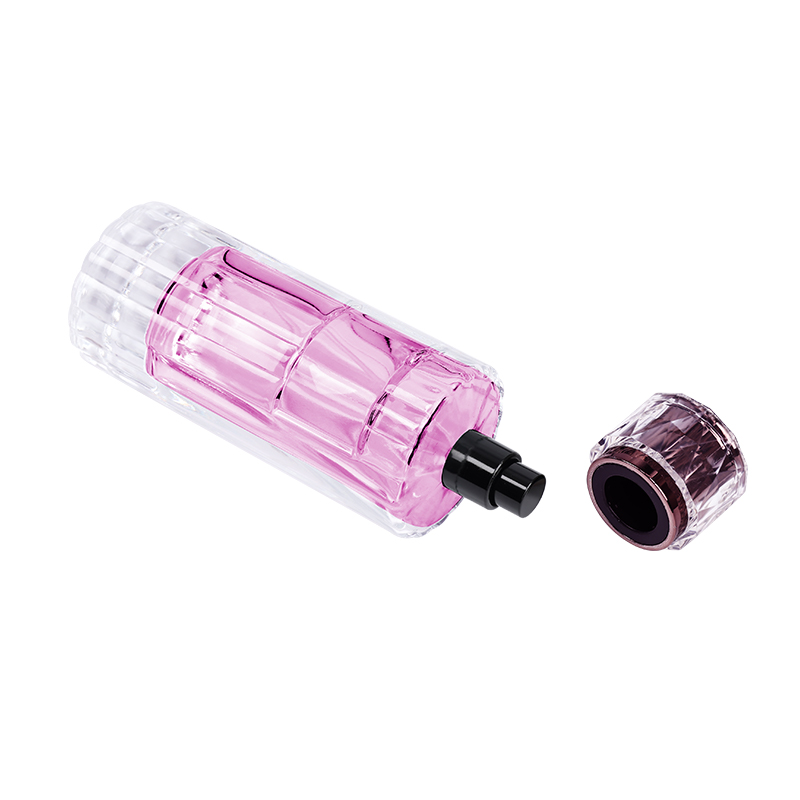
We look at factories, but also at flow. We love price, but ignore tolerance. It’s very French of me—pragmatic, a bit choppy—but here is the point. The first decision decides the last week. Do you compare by what matters? Or by what is easy to read on a quote? Let’s move from shiny to structural, oui? Onward to the hidden layer.

The Hidden Layer: Why the Easy Path Still Breaks
Look, it’s simpler than you think. Many brands start with unit price and mold fee. They rarely start with variance control or neck finish compatibility. That is why the pain shows up late. With china perfume bottle factories, the recurring gap hides in three places: misaligned tolerances, unstable cycle planning, and weak handoffs between glass, pump, and decoration. One sample run can be perfect; the third lot drifts by 0.2 mm on the GPI 15/415 neck finish, and the atomizer won’t crimp cleanly. AQL sampling catches some issues, but not all dynamic ones. ISBM vs. press-and-blow choices change weight, wall thickness, and torque behavior at crimp. And when screen print, hot-stamp foil, and PVD metallization queue behind an overbooked oven, lead time slips—funny how that works, right?
Where do delays really start?
Often in the handover. Pumps need matched crimping torque; collars need matched height; collars and pumps need the same ovality window as the bottle shoulder. When the factory treats each step as a silo, SPC charts never see cross-process drift. That is why a launch can fail even when every single part “passes” on its own. Another blind spot: MOQ splits and color shade control during UV coating. Small batches mean more color make-ups; more make-ups mean shade shift. Your budget then “saves” a few cents, while freight, rework, and admin add dollars. The cure is dull but strong: confirm joint tolerances early, map line balancing, and document crimp specs with torque bands, not vibes. Technical, yes. But it keeps week four calm.
Comparative Tech Outlook: From Guesswork to Measurable Fit
Let’s compare what changes the game. A modern china perfume bottle supplier may run a digital thread: CAD-to-mold data linked to MES, inline vision checks, and lot traceability via QR. It’s not buzz. It’s a short path from deviation to fix. Inline cameras flag shoulder ovality in real time; the MES holds shipment until torque, leak rate, and collar height are all green. Cross-vendor fit tests become standard, not favors. And when decoration lines log oven curves and dwell times, your metallic gradient stops shifting bath to bath. Semi-formal tone here, yes, but the principle is clear. Control the interfaces; the rest follows. (Even better when the supplier documents REACH and AQL levels by operation, not just product.)
What’s Next
Future-facing plants will push deeper: machine learning on vision data to predict drift, automated crimp simulations based on glass density, and closed-loop annealing that tunes stress in the neck band. Not science fiction—pilots run now. The practical win is small and steady: fewer touchbacks, stable neck finishes, repeatable crimp, and faster PPAP-style approvals. Compare vendors by these controls, not by adjectives. You’ll find that the “cheapest” quote often costs time, and the “clearer” process saves money—funny how that works, right?
Before we close, three metrics help you choose with calm hands: 1) Interface control: do they test bottle, pump, and collar as a system, with defined torque bands and SPC on ovality? 2) Process transparency: can they show MES logs, inline vision yields, and rework tags by lot? 3) Stability under change: what happens to shade, print registration, and crimp when the line speed shifts 10%? Measure these, and your week four risk vanishes into week one planning. The lesson is simple. Compare by fit and flow, not only by price or sheen. Keep the tone human. Keep the data close. And keep your launch date where it belongs. Shared, not sold—brought to you by practice, not pitch: NAVI Packaging.