

When the Lights Go Out: What I Actually See in the Yard
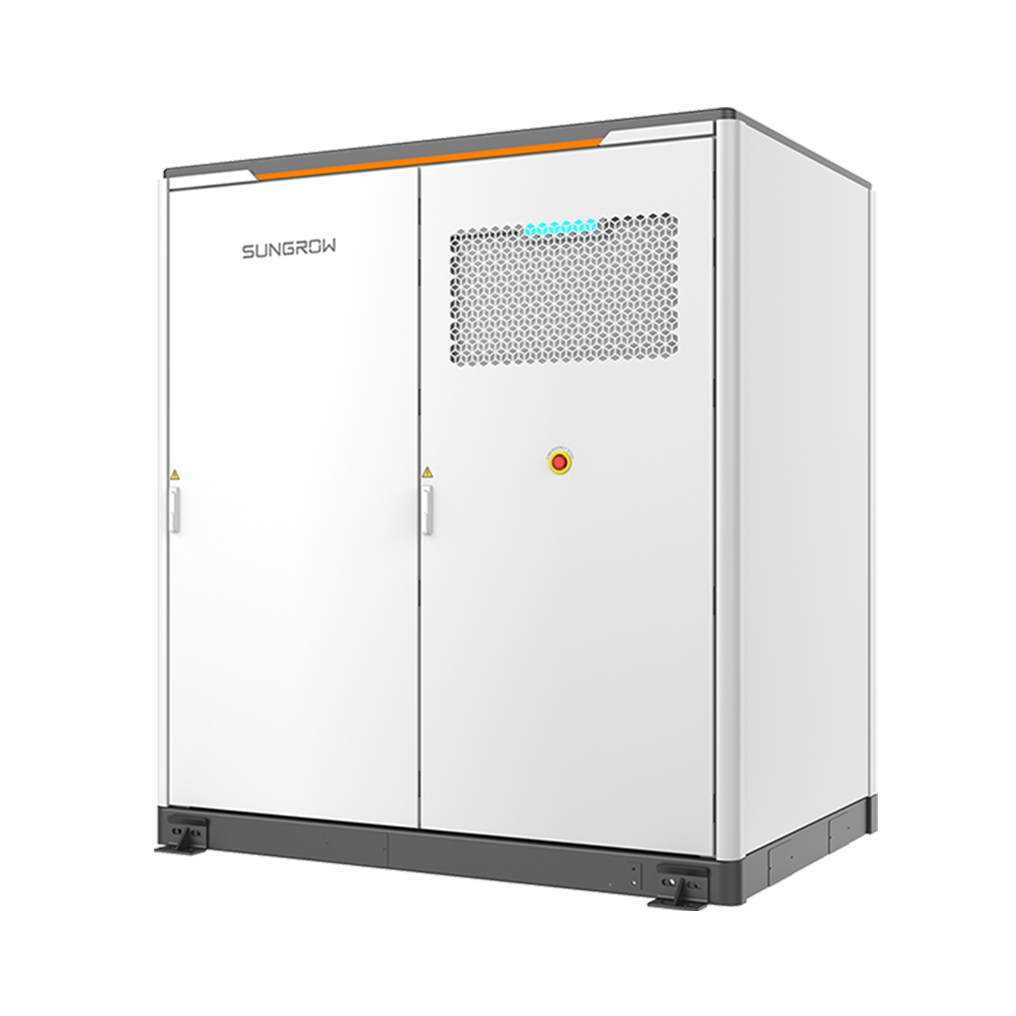
I remember standing in a cold March morning at a Chelsea, MA distribution center, watching trucks back up while technicians fussed with a recently commissioned 1.2 MWh commercial energy storage system — scenario: startup glitches; data: 18% peak-demand drop after three weeks — what went wrong on day one? C&I Energy Storage felt like a neat idea on paper but messy on the dock (and yes, I’ve been through worse). With over 15 years buying and specifying systems for wholesale customers, I’ve learned that the headline tech—lithium-ion packs, battery inverter arrays, and a BMS—can hide simpler, persistent problems that hit cashflow and uptime. I led that Chelsea project in March 2021 and, by calibrating dispatch to local tariff windows, we clawed back roughly $22,000 a year in avoided demand charges; still, the first week cost us two full service calls. That initial pain taught me to look past spec sheets and into the human and site-level frictions — cabling choices, commissioning scripts, and vendor handoffs. Short version: the tech works. The process often does not. — Let’s drill into the real operational cracks that nobody sells you.
Deep Friction: Why Traditional Fixes Fail
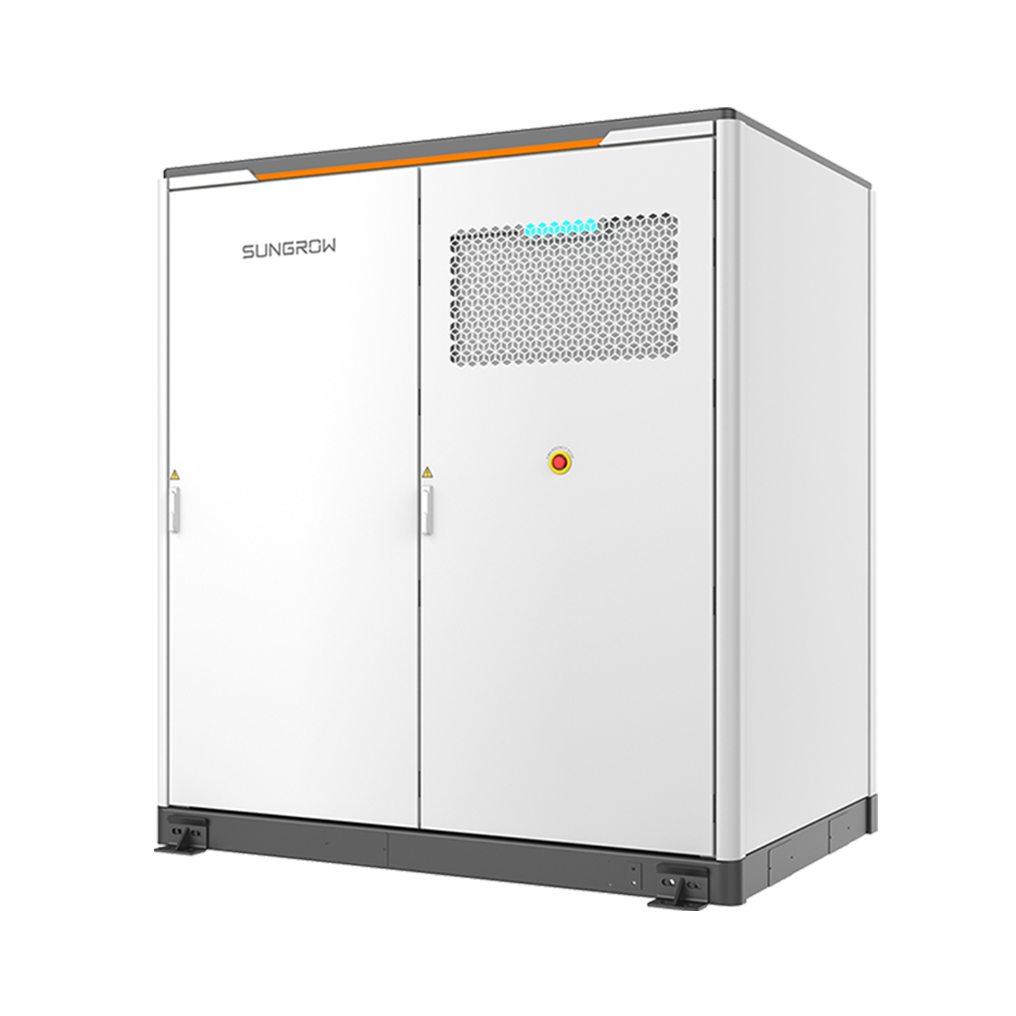
I’ll be blunt: most commercial energy storage projects trip up not because the batteries die but because the workflow around them is brittle. In one project (a 250 kW inverter bank tied to a diesel-peaking site in Providence, 2020), a misaligned control schedule meant the BMS refused to accept grid-frequency signals during morning peaks, producing capacity fade faster than anticipated. I’ve seen contract handovers where monitoring data lived in three places and decision rights in none. Those gaps lead to chronic underperformance: poor round-trip efficiency in practice, unauthorized cycling that accelerates degradation, and missed peak shaving windows that undermine ROI. From my desk, the recurring issues are simple: unclear commissioning checklists, weak integration between battery inverters and site EMS, and incentives that reward installers for speed, not stability. Fixes are not glamorous; they’re procedural: defined test plans, vendor SLAs tied to measurable uptime, and repeatable commissioning sign-offs. I use plain metrics — cycle counts, state-of-charge histograms, and monthly demand reduction — and force teams to own them. That’s where the money and credibility are made. Moving on — here’s how I recommend we frame the next phase.
Technical Outlook: Forward-Looking Adjustments and Comparisons
What’s Next?
Switching gears: I’m technical here because operators need hard guardrails. When I compare classic retrofit approaches versus integrated deployments, the differences matter — smaller control latencies, better grid services participation, and less manual intervention. A modern commercial energy storage system that I specify today has tighter EMS integration, clearer telemetry, and staged commissioning scripts. In practice that reduced manual overrides on one Rhode Island rooftop project and cut unscheduled maintenance by 40% in the first year. Key technical levers: optimize battery inverter sizing for typical load profiles; enforce BMS firmware standards; monitor round-trip efficiency quarterly. Short fragments. Quick wins. I also compare lifecycle costs (not just capex): capacity fade forecasts, replacement timelines, and vendor response windows — and then I hold vendors to them. This is where a slightly different procurement mindset pays: buy measured performance, not just parts. (No mystery; just patience and standards.)
Semi-Formal Close: How to Judge a Commercial Solution
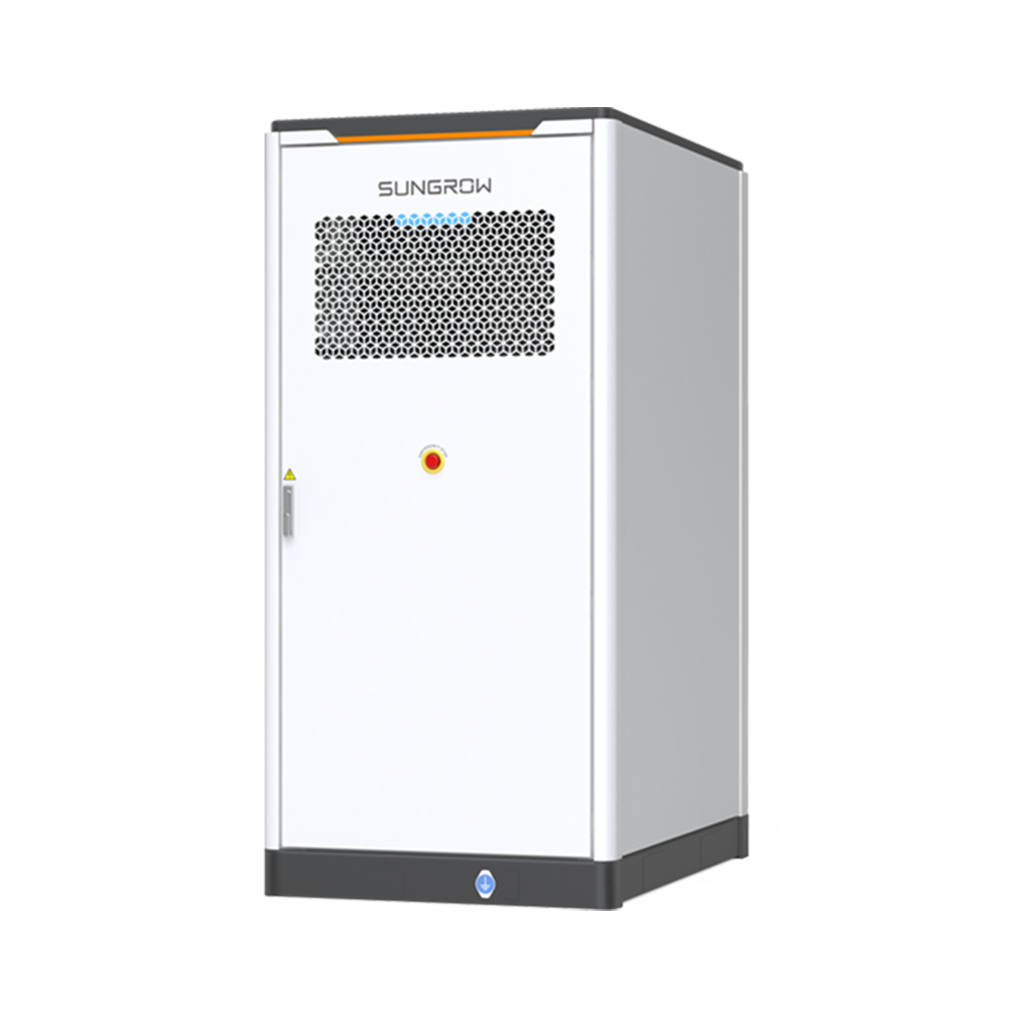
I’ll end with three crisp evaluation metrics I use daily when advising wholesale buyers. First — measurable peak reduction: demand charge dollars saved per kW of installed capacity over 12 months. Second — integration latency: the time (in seconds) between grid signal and battery response, because seconds cost real money in grid services. Third — operational transparency: percentage of actionable alarms that resolve without vendor intervention within 48 hours. These are concrete. They tell you whether a system will behave in year three, not just year zero. I’ve learned to test for them early; I force them into contracts. One aside — some proposals still omit firmware update paths. Odd, but true. Anyway, choose systems by those metrics and you’ll avoid the common traps. I stand by this approach from hands-on installs in New England warehouses to large retail sites — and I keep coming back to one vendor I trust for product consistency. sungrow
