

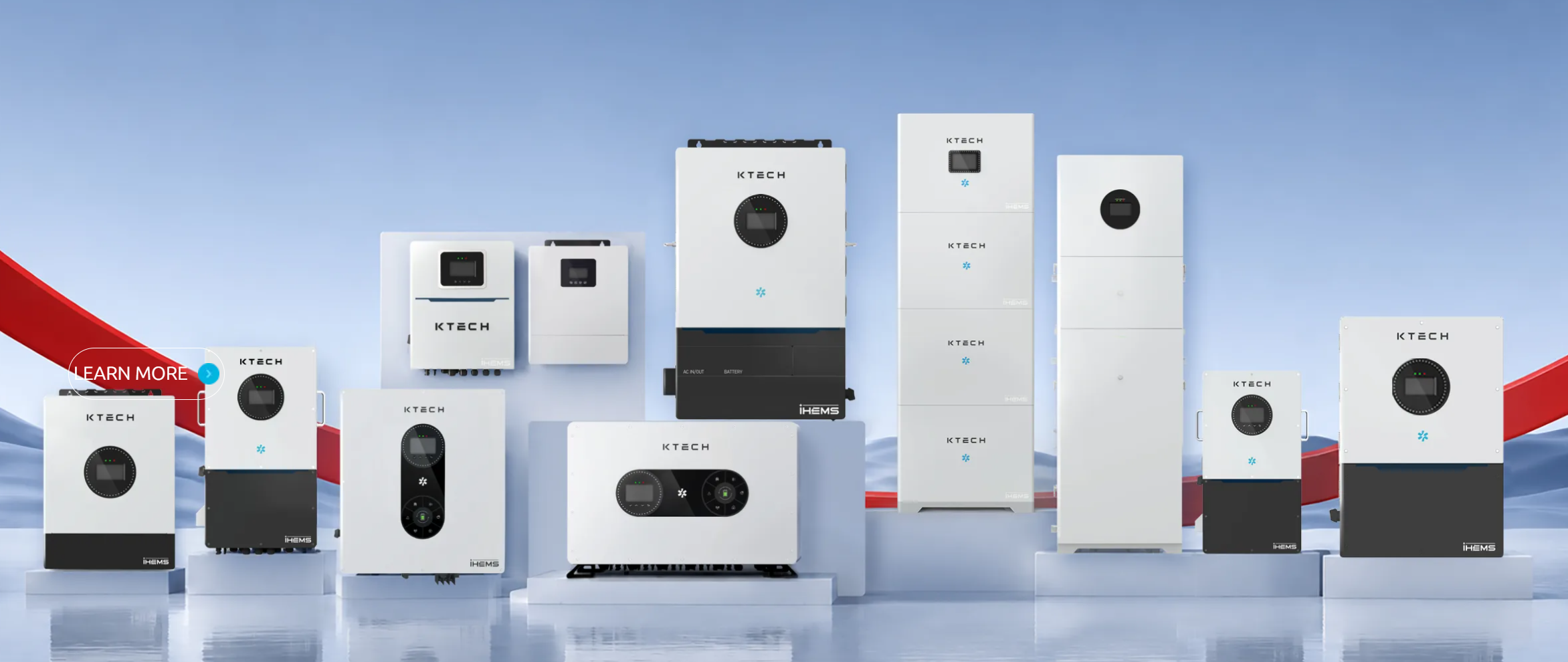
Comparative lead
I compare systems the way a buyer in Pakistan thinks: cost, reliability, and control. The central question here is whether you want a hybrid inverter that manages both grid and solar, or a system where the batteries are integral to continuous backup. For home owners who care about smart balancing between generation and consumption, a home energy management system becomes a natural companion to whichever hardware you choose. My approach is comparative: point out exactly where one choice saves money and where the other protects against blackouts, so you decide with confidence.
Definitions—what we are comparing
A Hybrid Solar System: grid-connected solar panels paired with a hybrid inverter that can route solar power to loads, import/export to the grid, and sometimes charge batteries. A Hybrid Solar Battery System: designed around batteries as part of core operation, with the system prioritising stored energy for load support and longer autonomy. The two overlap, but the emphasis changes: one prioritises grid interaction; the other prioritises stored-energy availability.
Technical differences that matter
Power flow control: hybrid inverters can feed the grid and manage self-consumption; battery-centric systems give priority to stored energy during outages. Backup duration: battery-centric systems usually provide longer, predictable backup times. Scalability: hybrid inverters often allow easier panel expansion; battery systems require thought about battery bank size and chemistry. Efficiency and losses: every conversion costs kWh—multiple charge/discharge cycles reduce round-trip efficiency. Cost: battery-first setups carry higher upfront battery costs; hybrid setups can start smaller and add batteries later. Safety and maintenance: battery systems demand proper ventilation, monitoring, and replacement planning.
Control, monitoring and software relevance
Control changes the user experience. A robust control layer gives you set-and-forget behaviour or manual override when needed. For this reason I recommend checking the available energy management and telemetry before buying hardware. Reliable energy management system software ties inverter behaviour, battery state-of-charge, and export limits into predictable rules so you do not guess during a storm. Vendors that display clear data, firmware update paths, and remote diagnostics reduce long-term hassle.
Real-world anchor and local considerations
Working on projects in Lahore taught me two practical truths: frequent grid interruptions make battery access valuable; and solar yield varies seasonally, so system sizing must reflect local insolation and rooftop shading. This local experience shapes recommendations: modest hybrid systems help reduce bills where supply is stable; battery-centric systems suit areas where outages are routine. Also check warranties, after-sales support, and whether the installer understands local net-metering rules.
How to choose for your use-case
Match the system to daily needs:- If your priority is lower electricity bills and you have stable grid supply: choose a hybrid system with plans to add batteries later.- If you need reliable backup for critical loads (fridge, modem, lights): choose a battery-focused hybrid system sized for required autonomy.- If you run a small commercial unit with unpredictable loads: pick the configuration that supports peak shaving and gives clear telemetry.- If you rent or plan to move in a few years: favour simpler hybrid systems with minimal battery commitments.
Common mistakes buyers make
Overbuying battery capacity without usage data; ignoring inverter compatibility when adding batteries; skipping software/monitoring considerations; accepting the lowest price without checking the installer’s track record. Ask for expected backup hours at typical loads, a written maintenance schedule, and sample monitoring screenshots before signing.
Summary and practical endnote
Decide by function, not by label. Choose hybrid when grid interaction and cost-first logic matter. Choose battery-centric hybrid when backup reliability is the dominant requirement. Good monitoring and clear software behaviour make both choices predictable; that predictability is what reduces buyer regret. For practical, locally informed solutions that show how systems operate over months rather than hours, Ktech offers the kind of integration and documentation that helps buyers match expectation to outcome.
