
Framework lead: why a clear procurement path matters
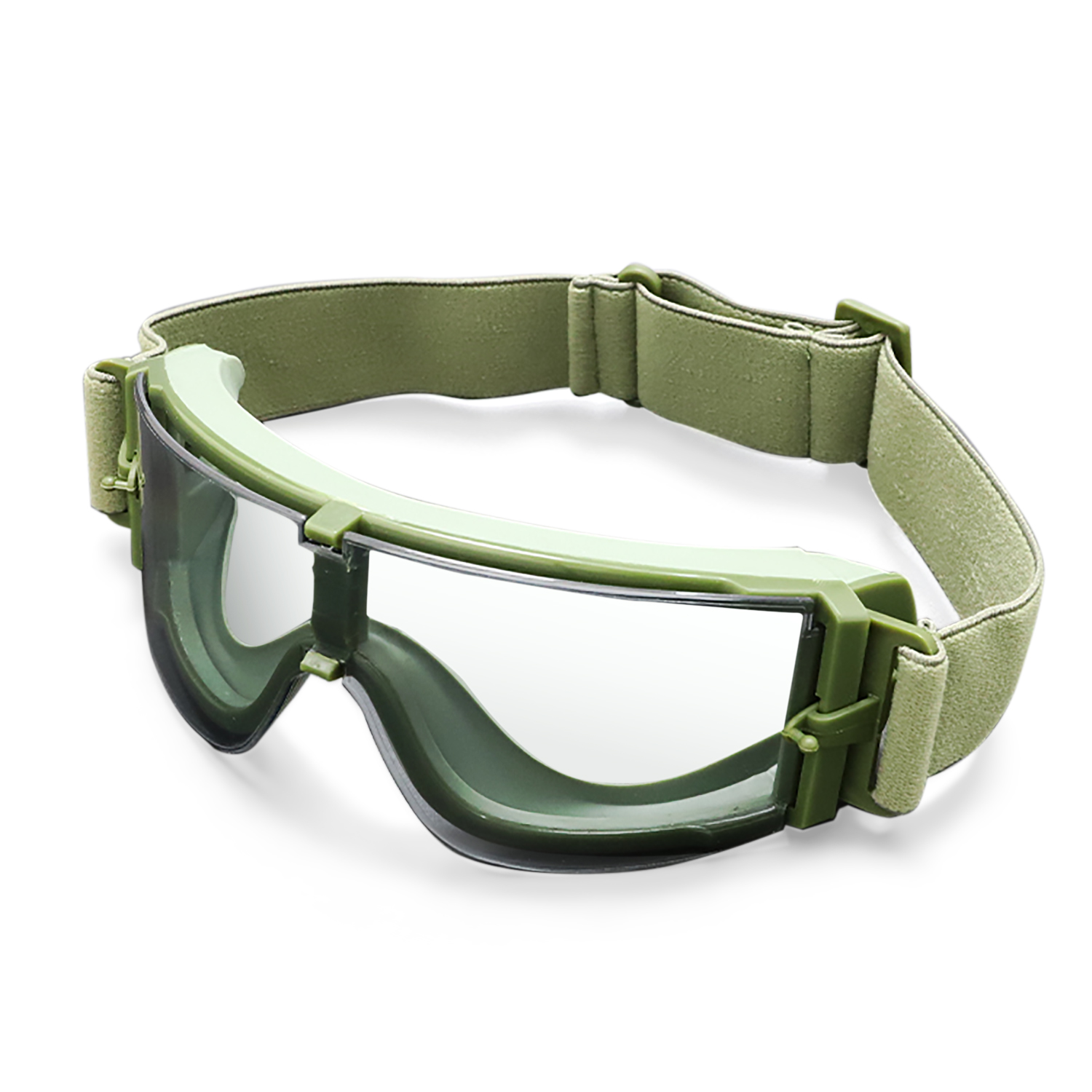
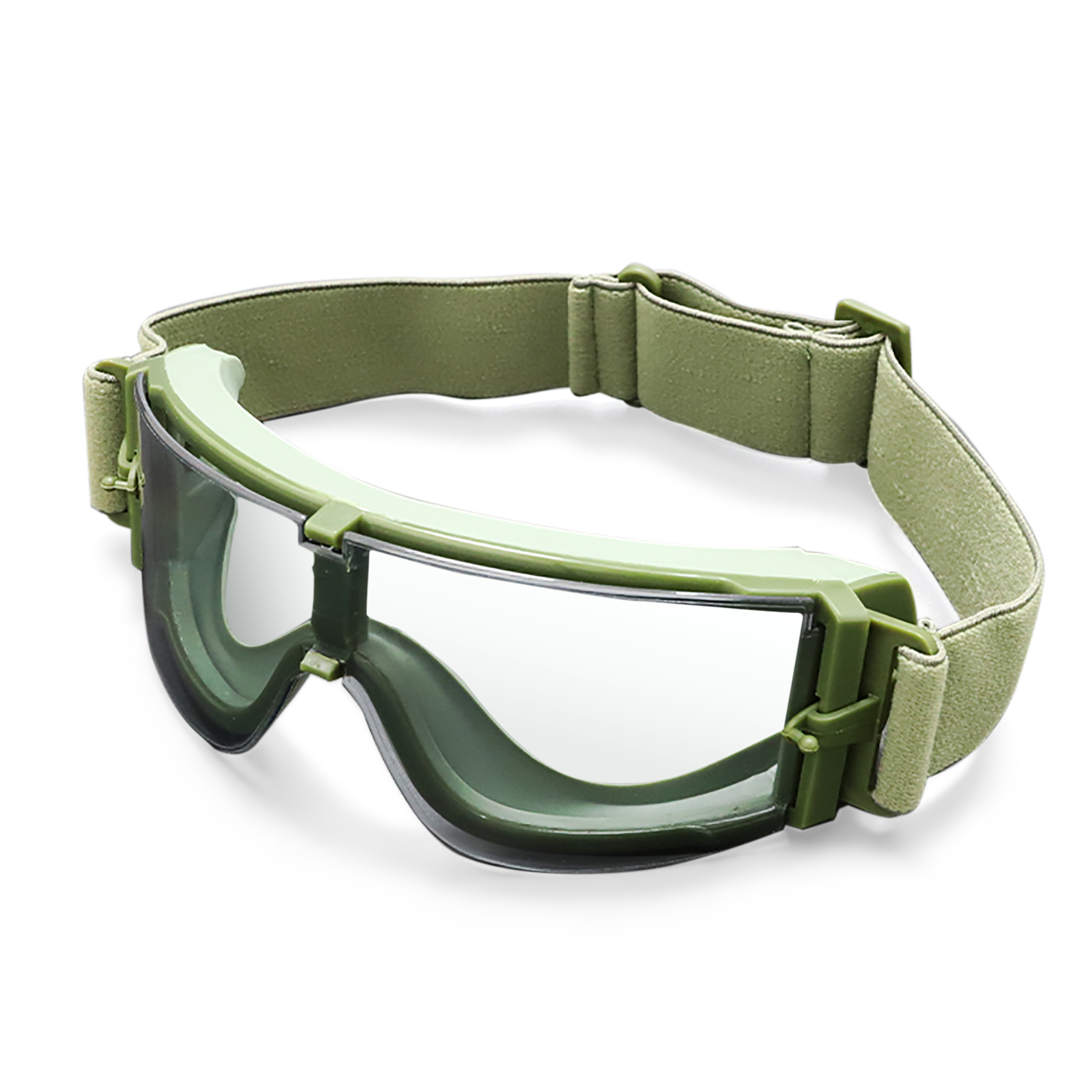
Procurement officers need a no-nonsense framework that turns standards into actionable specs—fast. This piece lays out that path using plain language and pragmatic steps. If you’re evaluating lenses or whole frames, baseline checks like optical clarity and impact rating matter as much as supply logistics. For fog-prone environments, consider models such as anti-fog tactical goggles early in the spec stage, because fogging ruins field performance and increases returns.
Decoding CE EN166 and how it pairs with ballistic references
CE EN166 covers personal eye-protection requirements in the EU—optical classes, mechanical resistance, and marking rules. It doesn’t, by itself, define all ballistic performance levels, so procurement teams usually combine EN166 with ballistic references like NIJ or NATO STANAG 2920 to get both user comfort and fragment/ballistic resistance. Think of EN166 as the baseline for fit, optical distortion, and general impact; then layer on ballistic resistance specs when threat mitigation is required. Lens material such as polycarbonate, lens coating and gasket choices directly affect both comfort and protection.
Core elements of a procurement framework
Start with a compact specification sheet you can reuse across bids. Essential fields to include:- Standards required: CE EN166 plus any ballistic reference (NIJ, STANAG) if needed.- Performance metrics: impact rating, ballistic resistance level, optical class.- Materials and coatings: polycarbonate, anti-scratch, anti-fog or hydrophobic coatings.- Fit and retention: temple length, strap compatibility, and retention system requirements.- Test evidence: lab reports, traceable batch testing, and manufacturer QA processes.This gives vendors a clear checklist and reduces ambiguous offers during tender responses.
Evaluating vendor claims—what to demand and what to verify
Vendors will quote standards; verify via documentation. Ask for test reports from accredited labs, and check that markings on samples match claimed standards. Manufacturer traceability matters—batch numbers, material certificates, and a documented change control process. Also confirm real-world features like peripheral distortion and anti-fog performance under temperature/humidity cycles. If you accept prescription inserts, make sure the supplier can supply both prescription inserts and full-frame prescription ballistic goggles—this avoids mismatches between optical systems and ballistic shells.
Common procurement mistakes and how to avoid them
Teams often over-focus on a single metric—like weight or price—while missing composite performance. Another frequent slip: accepting test reports without confirming lab accreditation or date of test. Don’t let samples pass on looks alone; simulate operational conditions. – Also avoid spec creep: adding vague comfort or “military-grade” language without measurable thresholds just creates negotiation loopholes.
Real-world anchor: interoperability and tested performance
Military and public-safety procurement often references NATO STANAG protocols for fragmentation tests and NIJ benchmarks for ballistic evaluations to ensure interoperability across suppliers. Using these references in your RFP aligns procurement with recognized testing regimes and reduces the chance of surprise failures in the field. Combining those ballistic references with CE EN166 markings gives you both legal compliance and mission-level assurance.
Checklist for operational procurement teams
Before you sign a purchase order, run this quick pre-flight:- Confirm CE EN166 marking and the exact optical class.- Verify ballistic test reports and lab accreditation.- Validate anti-fog and coating performance under relevant environmental cycles.- Check compatibility with prescription inserts if end-users need vision correction.- Require a change-notification clause from the OEM for material or process changes.These steps lower risk and keep field returns down.
Three golden rules for selecting the right eyewear—and final thought
1) Match the standard to the mission: don’t over-spec low-risk roles, and don’t under-spec high-risk ones. 2) Demand traceable testing: accredited lab reports, serial or batch linkage, and documented QA. 3) Prioritize real-world performance: retention, peripheral vision, and anti-fog behavior matter as much as numbers. These are practical, measurable metrics you can include in contracts. prescription ballistic goggles that supply clear test documentation and consistent production are the easiest way to close the loop—reliable optics plus verified protection reduces operational headaches. Final note—procurement is ultimately about keeping people safe and equipment performing. YIJIA Optical. –