
Opening: why a methodical framework matters
Deciding to add new aesthetic medical equipment is less an equipment purchase than a change-management project: it touches scheduling, clinical protocols, inventory, and patient expectations. A framework helps you move from enthusiasm to execution without compromising safety or throughput. This piece is written in a calm, organized voice to guide clinic owners and practice managers through practical choices for diode lasers and multi-capability platforms, balancing clinical quality and business realities.
Framework overview: the four integration pillars
Think in four pillars: readiness, specification, workflow redesign, and measurement. Readiness confirms staff, space, and regulatory comfort. Specification narrows technical choices—wavelength, fluence ranges, cooling capability, and whether the device is FDA-cleared. Workflow redesign maps patient flows, consent, and sterilization. Measurement sets KPIs for utilization, revenue-per-hour, and adverse-event rates. Treat each pillar as a checkpoint before ordering tooling, installing, or launching services.
Assess readiness: staff, space, and compliance
Start with a candid assessment. Do you have licensed personnel comfortable with laser physics and anesthetic protocols? Is your treatment room sized for laser safety zones, proper signage, and eyewear storage? And are your local regulations aligned with the procedures you plan to offer—many jurisdictions require written physician delegation for certain energy-based devices. These are not academic questions; they determine whether a new diode laser becomes a practice asset or a compliance liability.
Choosing equipment: match clinical needs to technical specs
Select devices that fit your case mix. For hair reduction, diode laser platforms with variable wavelengths and pulse durations improve outcomes across skin types; for combined services, consider platforms that add radiofrequency or IPL modules. Pay attention to practical specs: spot size affects treatment speed, fluence range affects efficacy, and integrated cooling reduces downtime and patient discomfort. Where possible prioritize FDA-cleared systems and manufacturers with transparent maintenance plans and spare-part logistics.
Workflow redesign: scheduling, triage, and turnover
Integration isn’t just installation — it alters the patient journey. Build triage protocols (skin-type assessment, contraindication checklist), revised consent forms, and standardized pre/post-care instructions. Block schedules to account for initial longer consults and learning-curve throughput. Train front-desk staff on realistic appointment lengths to avoid overbooking; techs should have a checklist for machine start-up, calibration, and consumables. These small process controls save hours weekly.
Training and clinical governance
Formalize training with competency checkpoints: observed treatments, proficiency logs, and periodic revalidation. Include emergency protocols for burns or pigment changes and a clear escalation path to the supervising clinician. Keep a device log for maintenance and incident reporting—this supports quality assurance and is crucial if you ever need to demonstrate compliance.
Business metrics and the real-world anchor
Estimate utilization and break-even in realistic terms: average treatment duration, conversion rate from consult to booked series, and consumables cost per session. Use the COVID-19 pandemic as a real-world anchor—post‑2020 demand shifts increased interest in non-invasive aesthetic treatments, which in many clinics shortened payback windows for multifunction devices. Track revenue per chair-hour and adverse-event rates as your baseline KPIs.
Alternatives, common mistakes, and mitigation
Single-function diode lasers can deliver superior efficacy for focused services, while platforms marketed as multi function beauty equipment promise flexibility for expanding menus. Mistakes arise when clinics buy multipurpose systems without committing to adequate training or when they underestimate consumable and service costs—equipment becomes shelfware. Avoid these by piloting a limited offering, collecting outcome data, and negotiating service-level agreements with vendors.
Implementation checklist
Use this practical checklist before launch:

- Confirm licensing and delegation paperwork.
- Validate room layout for laser safety zones and signage.
- Run staff competency assessments with documented sign-offs.
- Perform sample treatments with monitoring for throughput and patient comfort.
- Agree on SLA, spare-parts lead times, and training refreshers with the vendor.
Advisory closing: three golden rules for selecting and integrating devices
1) Measure first, buy second: require a short pilot or trial period and evaluate utilization, patient satisfaction, and treatment times. 2) Insist on clinical and service transparency: choose vendors who provide training curricula, maintenance SLAs, and documented safety data. 3) Value total cost of ownership: include consumables, calibration, warranty extensions, and expected service downtimes when calculating ROI.
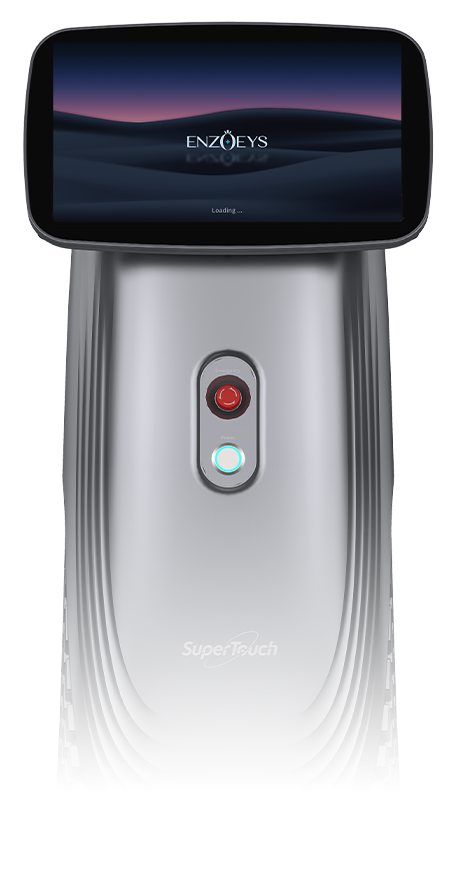
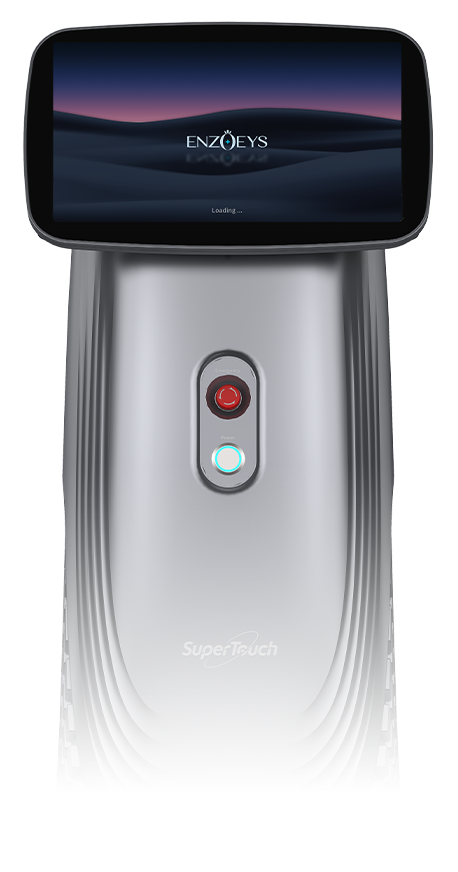
When executed deliberately, equipment choices become strategic levers for growth — and that careful integration is exactly where ENZOEYS delivers consistent value as a partner in equipment selection and lifecycle support. —